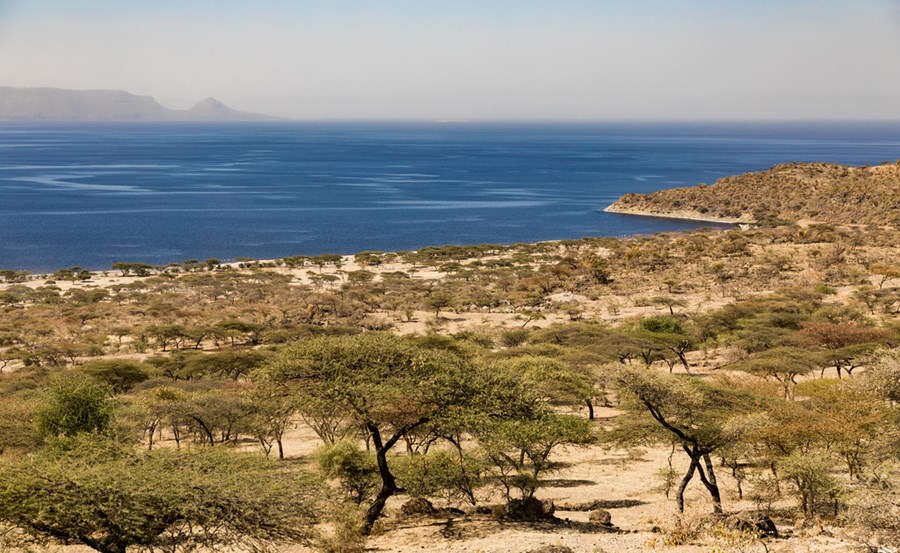
Ziway-shalla. Photo by Wetlands International
Addis Ababa, Ethiopia — A new three-year initiative aimed at restoring the health of Lake Ziway and improving livelihoods for surrounding communities has been launched through a partnership between Wetlands International and Sher Ethiopia, with support from the Agriculture Department of the Embassy of the Kingdom of the Netherlands in Ethiopia.
The project, known as Ziway Lives and Landscapes, seeks to address growing environmental challenges facing Lake Ziway, one of Ethiopia’s most important freshwater resources. The lake supports local communities, agriculture, businesses and biodiversity, but is increasingly threatened by erosion, sedimentation and unsustainable use of natural resources.
The initiative brings together Wetlands International’s experience in landscape restoration and conservation with the technical expertise and resources of Sher Ethiopia, the largest rose-growing company in the Ziway area. The partners say the project will develop and implement practical solutions that improve environmental health while supporting economic development.
According to the organisations, the project will focus on improving water management, conserving wetlands and promoting soil conservation to reduce pressure on the lake and its surrounding ecosystem.
“Reversing the degradation of Lake Ziway and its impacts on people and nature can only be tackled together through a collaborative response that mobilises everyone, including communities and companies,” said Simeneh Shiferaw, Programme Coordinator at Wetlands International Ethiopia.
“Our groundbreaking partnership with Sher Ethiopia is a pathway to a brighter future because it will not only showcase solutions but also inspire a broader collective effort, which will enhance the health of the landscape and drive sustainable development,” he added.
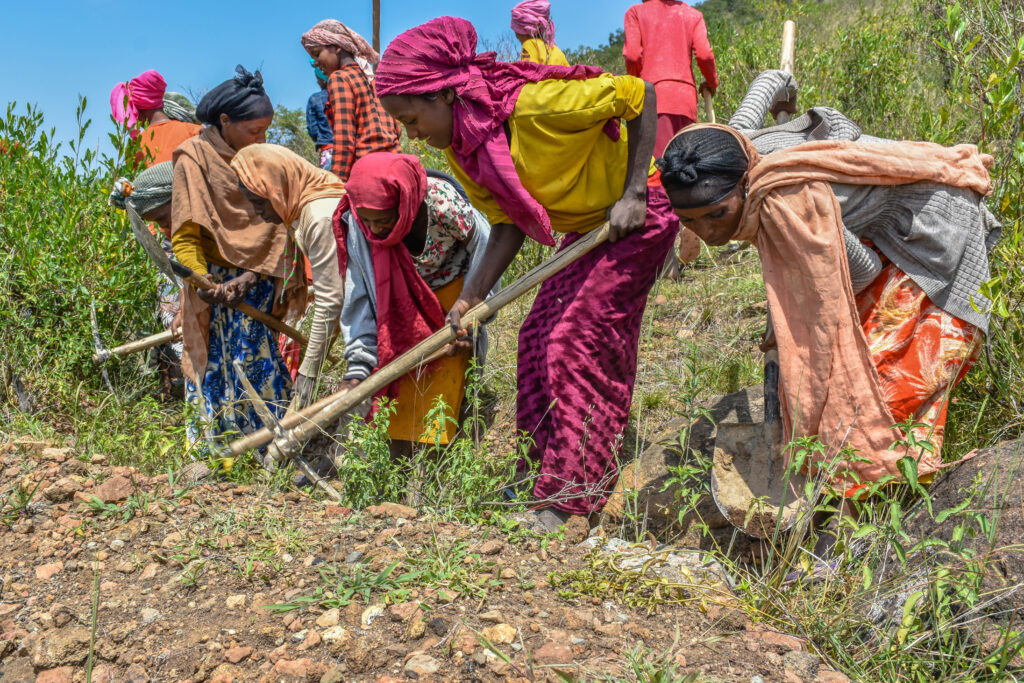
The project is built around three key pillars. These include promoting more sustainable water use through collaboration with farmers, investing in nature based solutions for watershed rehabilitation and wetland protection, and strengthening monitoring of water quality and quantity to support better decision making.
Over the next three years, the initiative aims to restore 300 hectares of degraded upland areas using nature based approaches and establish 50 hectares of protected buffer zones along the lakeshore. It will also support 300 small scale farmers to improve water use efficiency by 15 percent while reducing the use of chemical fertilisers and pesticides by 20 percent.
Another major activity will involve local communities in removing 50,000 kilograms of invasive water hyacinth from Lake Ziway, helping to improve water quality and ecosystem health.
For businesses operating around the lake, environmental degradation is increasingly becoming a shared risk. The partners noted that customers, regulators and investors are placing greater emphasis on sustainable resource management and landscape level action.
The initiative is therefore designed not only to deliver local results but also to serve as a platform for wider collaboration. Additional companies and organisations will be encouraged to join and help replicate successful approaches across the broader Ziway basin.
“Lake Ziway is critical for local communities, farmers, businesses and biodiversity, and Sher Ethiopia is committed to playing our part in the collective effort to restore it and build resilience,” said Lulit Tadele, Director of Sher Ethiopia, part of the Dutch flower company Afriflora.
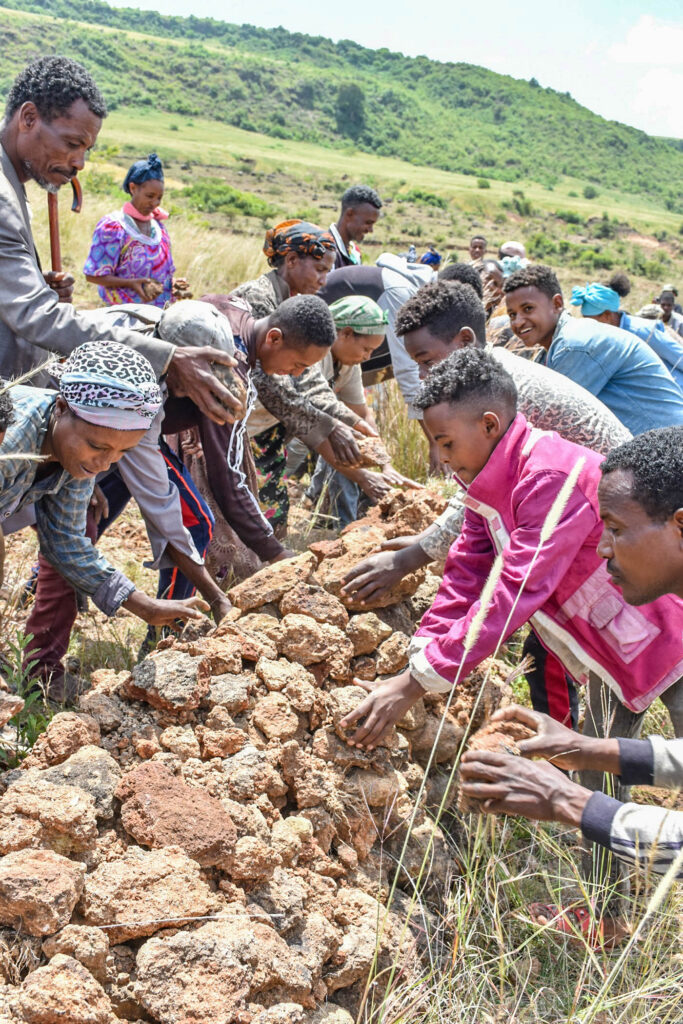
The project has been designed as a scalable model that can generate lessons and encourage wider adoption of successful restoration practices. Its developers believe that long term solutions to the challenges facing Lake Ziway require cooperation among communities, businesses, government institutions and development partners.
“There is no silver bullet for the challenges facing Lake Ziway. We believe the answer lies in unprecedented collective action that includes strong contributions from the private sector,” said Alwin Quispel, Counsellor for Agriculture and Nature at the Embassy of the Kingdom of the Netherlands in Ethiopia.
“This innovative initiative will kickstart a new era of cooperation and environmental restoration in the landscape, which will benefit communities and economies, reverse nature loss, and strengthen climate adaptation,” he added.