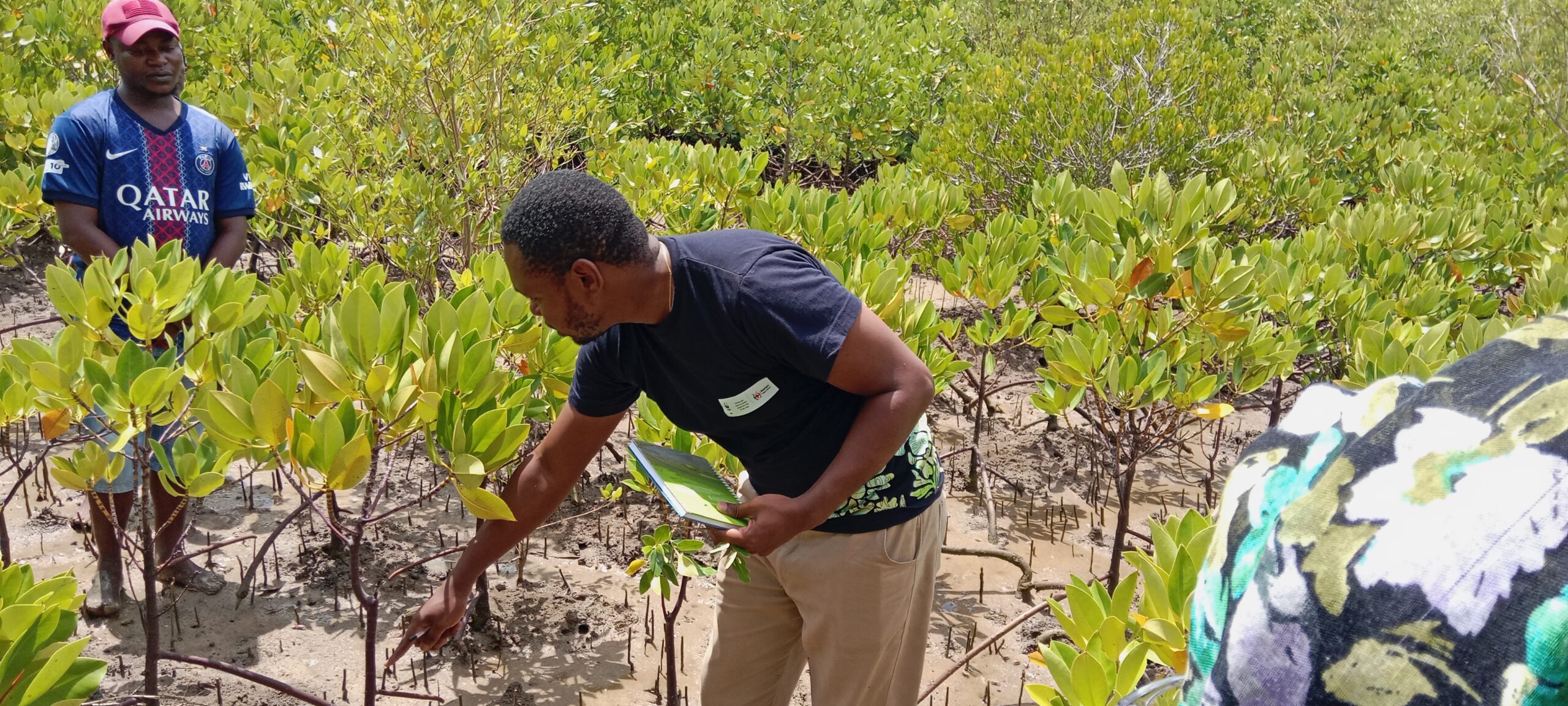
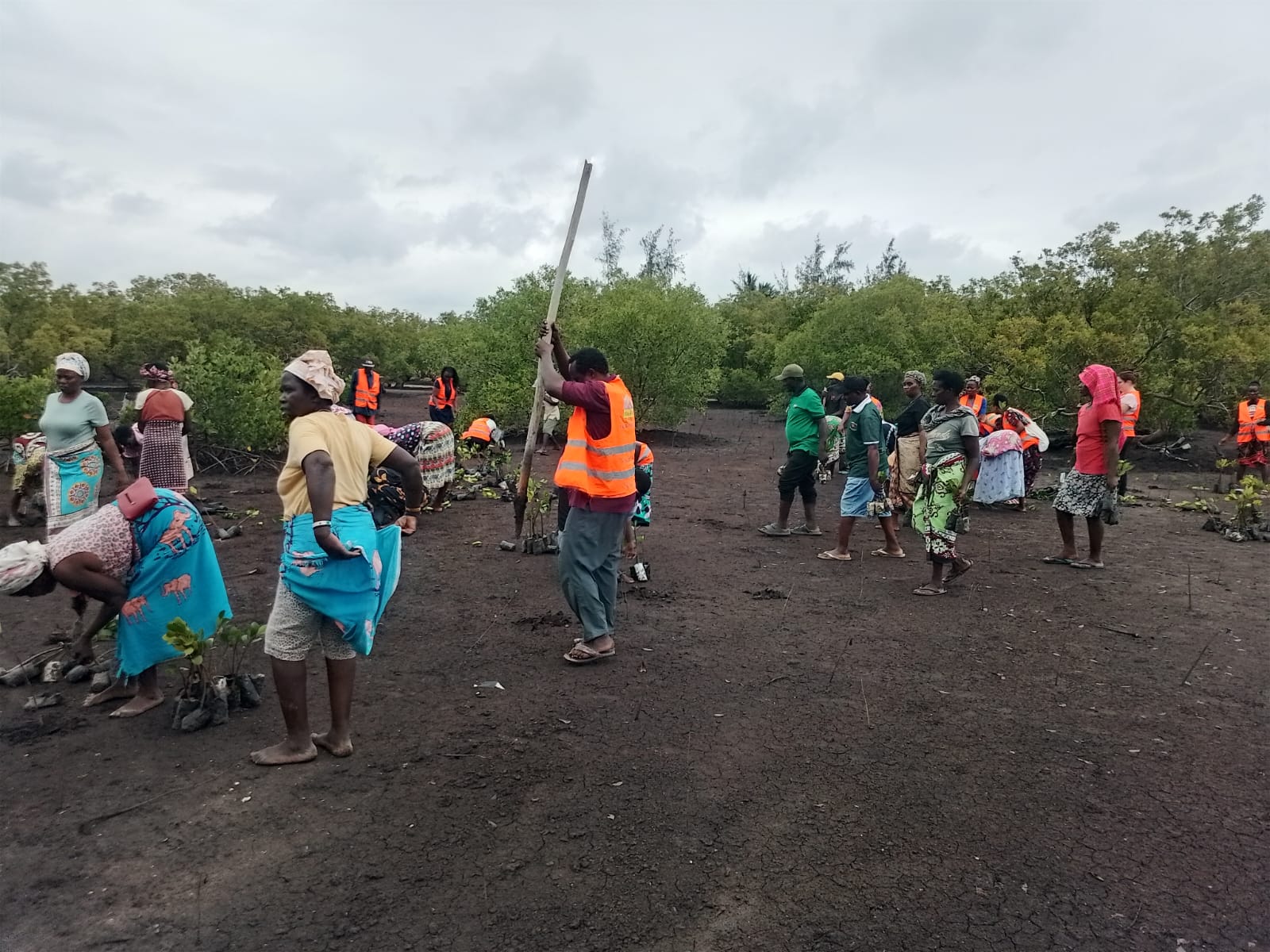
Community members prepare to plant Mangrove seedlings at Mida Creek in Kilifi County.Photo by Charo Ngumbao.
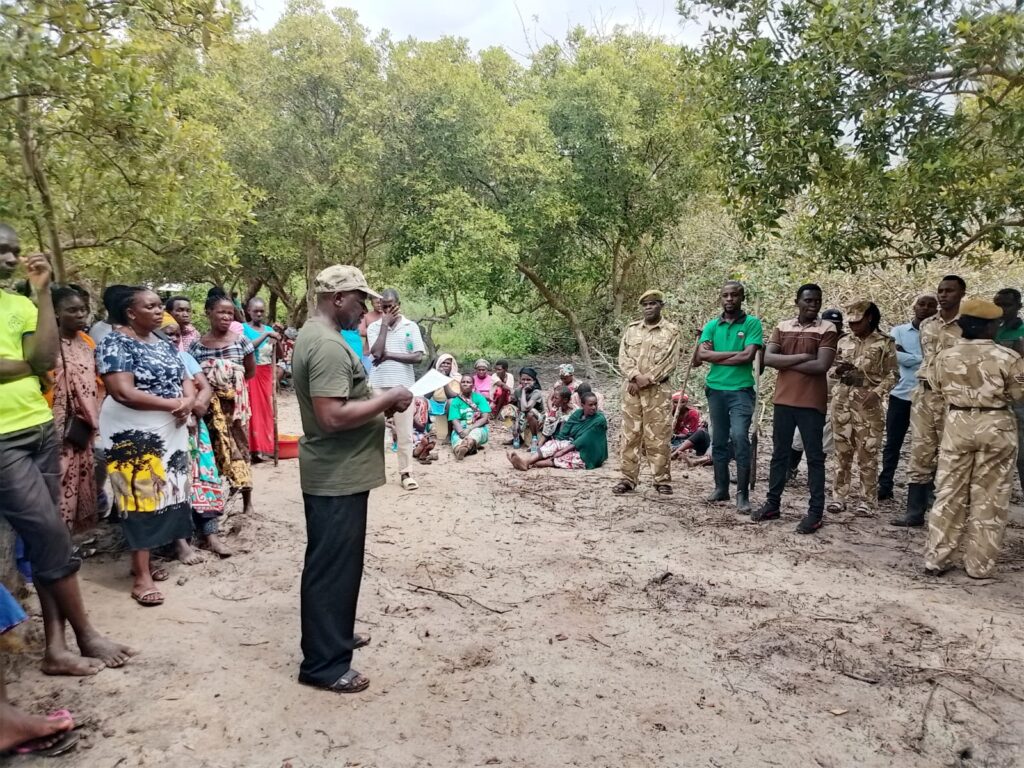
Charo Ngumbao, the Chairperson of the Arabuko Sokoke Forest Adjacent Dwellers Association (ASFADA), could not hide his excitement as more than 200 local community members gathered at Mida Creek in Kilifi County to mark this year’s International Day for the Conservation of the Mangrove Ecosystem under the global theme, Healthy Mangroves for Sustainable Blue Economy and Climate Resilience.
He said the large turnout was more than just a successful environmental event. It was proof that local communities are beginning to understand that protecting mangroves is directly linked to protecting their own livelihoods.
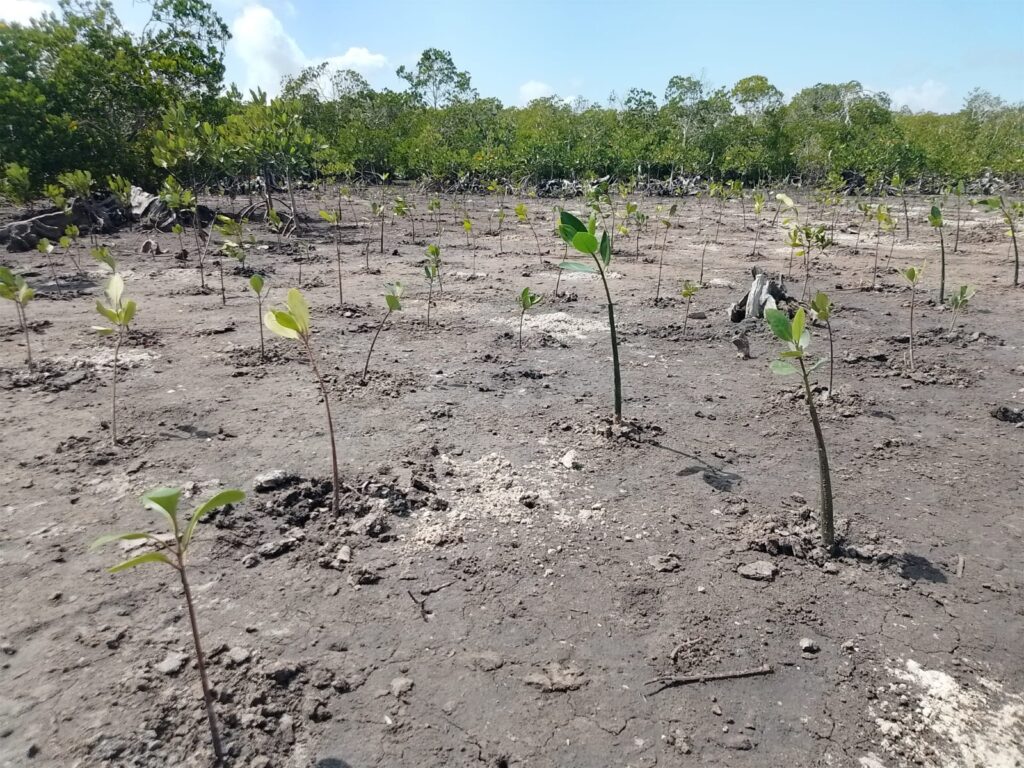
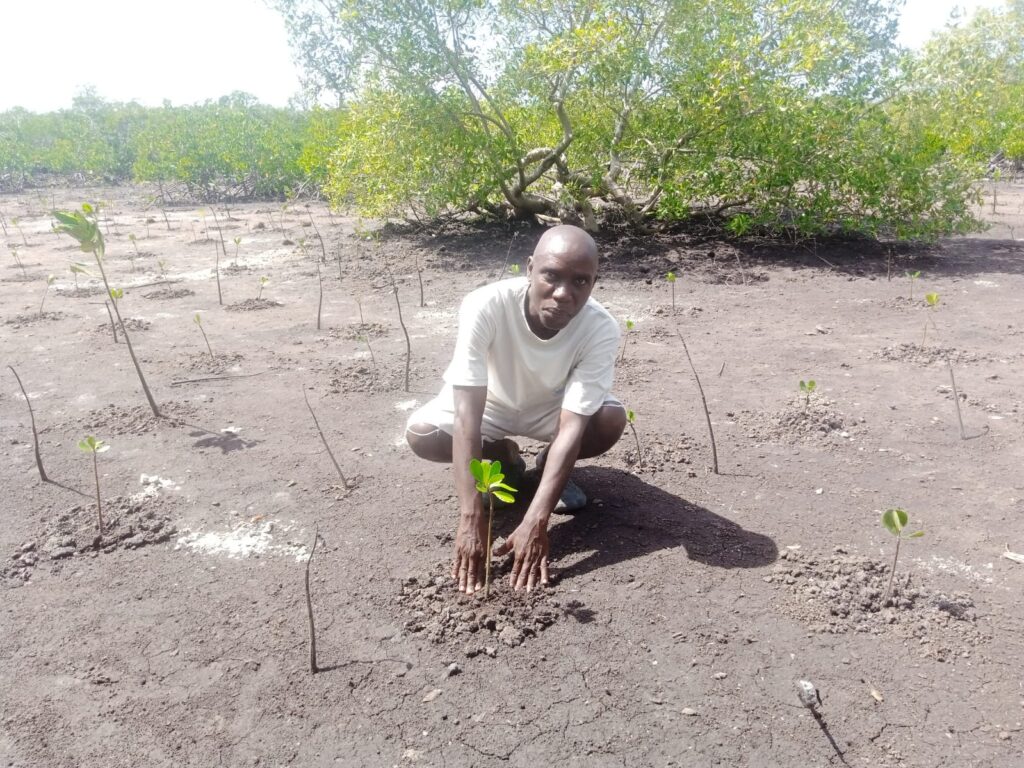
The exercise brought together community members, conservation organizations and government agencies, who planted 6,000 mangrove seedlings, comprising 800 Rhizophora mucronata and 5,200 Ceriops tagal to help restore the degraded sections of the Mida Creek mangrove ecosystem.
It was a scene he said he had not witnessed in the more than 10 years he has been actively involved in mangrove conservation and restoration efforts.
“What I saw was a new awakening, normally, we have a small number of people participating in such events. Sometimes we get 50 people, sometimes 100 or 150. But this time, we had more than 210 participants. Some people even arrived after the exercise had ended and had to return home because all the seedlings had already been planted,” Ngumbao said with a smile.
Mangrove forests are unique ecosystems that thrive in the interface between land and sea. Specially adapted to living in salt and brackish water, mangrove trees are found along coasts and estuaries throughout 123 countries in the tropics and subtropics.
Although mangroves account for less than 1 per cent of the cover of global tropical forests, they provide critical ecosystem goods and services to the estimated 2.4 billion people living within 100 km of the coast. Mangroves provide protection against storms, erosion, and flooding. Mangrove forests also provide natural habitat for over 1,533 different species, including nursery habitats for many commercially important fish, and are beneficial to the health of adjacent ecosystems such as coral reefs and seagrass meadows.
According to IUCN, in the past, mangroves saw degradation from wood exploitation, deforestation for agriculture and shrimp farming, and indirect impacts from dam construction altering freshwater and sediment fluxes. Today, mangroves face additional challenges due to climate change, including sea-level rise and an increased frequency and severity of cyclonic storms.
According to the National Mangrove Ecosystems Management Plan 2017-2027 (NMEMP), Kenya has approximately 61,271 hectares of mangrove forests, comprising nine mangrove species distributed along the country’s coastline.
However, these vital ecosystems have come under increasing pressure over the years due to both human activities and natural factors, leading to widespread degradation. The plan estimates that Kenya loses about 0.7 percent of its mangrove forest cover annually.
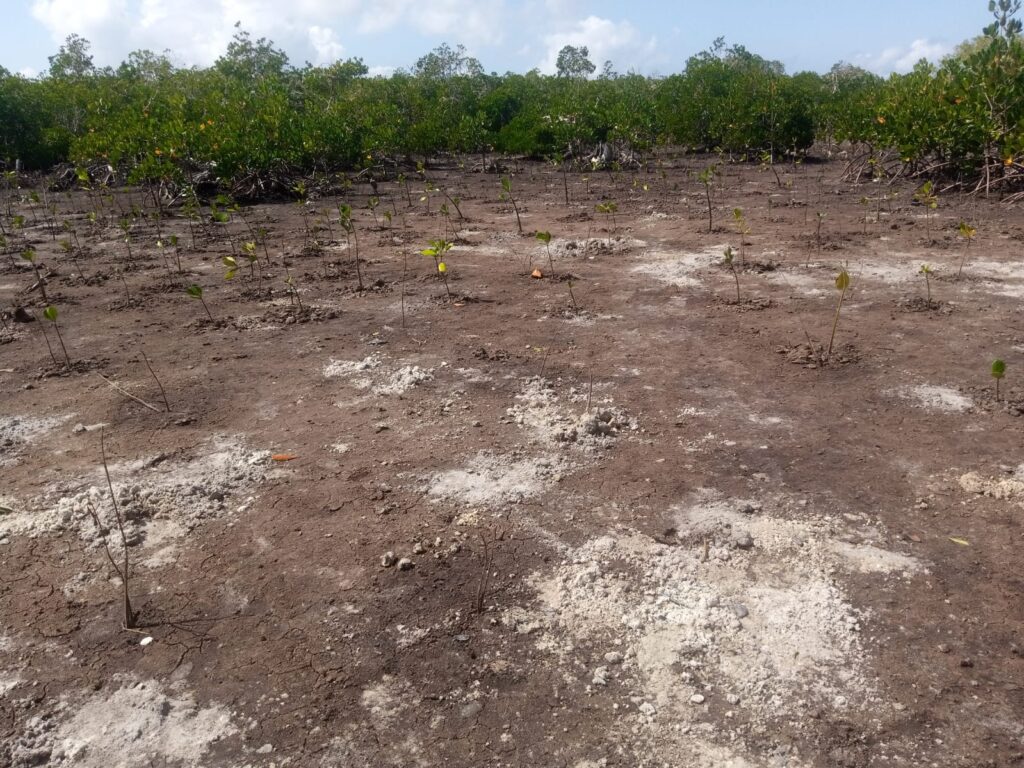
Ngumbao said the community stepped up efforts to restore mangrove forests after witnessing years of widespread destruction caused by indiscriminate harvesting for construction, charcoal burning and other domestic uses. He added that the impacts of climate change have also slowed the natural regeneration of mangroves, prompting the community to take action by planting new seedlings to help restore the degraded ecosystem.
Ngumbao said the act shows that everyone is now becoming interested in environmental conservation and believe that those who turned up will become ambassadors of the environment in their villages.
He said their main goal is to bring together communities around Arabuko Sokoke and Mida Creek so they can improve their livelihoods while conserving the environment.
“One of the most important activities is mangrove restoration. We now have more than 18 mangrove nurseries around Mida Creek where community members raise seedlings before planting them in degraded areas.” He said.
Unlike many environmental campaigns that only happen during international celebrations, Ngumbao said community members at Mida Creek plant mangroves throughout the year. This year alone, he said they have already planted more than 100,000 mangrove seedlings.
“We don’t wait for international environmental days. We organise our own planting exercises because restoring our forest is our responsibility. International celebrations simply help bring more partners together and show the importance of the work communities are already doing,” Ngumbao said.
The Arabuko-Sokoke Forest Adjacent Dwellers Association (ASFADA) is an umbrella community organization that unites local Community Forest Associations (CFAs) across the Gede, Sokoke, and Jilore forest stations to co-manage and protect the Arabuko-Sokoke Forest Reserve in Kilifi County.
Among the CFA’s is Mida Creek Conservation and Awareness Group (MCCAG), where Alex Thoya is the Secretary. He was among the hundreds of residents who took part in the mangrove planting exercise. He said mangrove conservation has not only helped restore the environment but has also transformed the lives of many young people in the area by creating employment and livelihood opportunities.
He said the group was formed in 2004 with the goal of protecting the environment while creating employment opportunities for local youth.
Today, he said, members earn a living by guiding visitors along the famous Mida Creek boardwalk, operating canoe tours to nearby islands, offering birdwatching experiences and running a community restaurant.
“When tourists visit, our young people work as guides, take visitors on canoe rides, manage the restaurant and even rent out protective shoes for those walking through muddy areas. Through conservation, many of us have created our own jobs,”Thoya said.
He estimates that members earn between KSh10,000 and KSh30,000 per month (USD 76.6 – USD 229.8) depending on visitor numbers.
However, Thoya said restoring mangroves has not been easy, prolonged drought and pest attacks have destroyed many young trees.
“Climate change is our biggest challenge. We plant thousands of seedlings, but many die because of prolonged drought or pests. Even so, we continue because every tree that survives makes a difference,” Thoya said.
However, while communities have embraced mangrove planting, scientists caution that successful restoration requires more than simply putting seedlings into the ground.
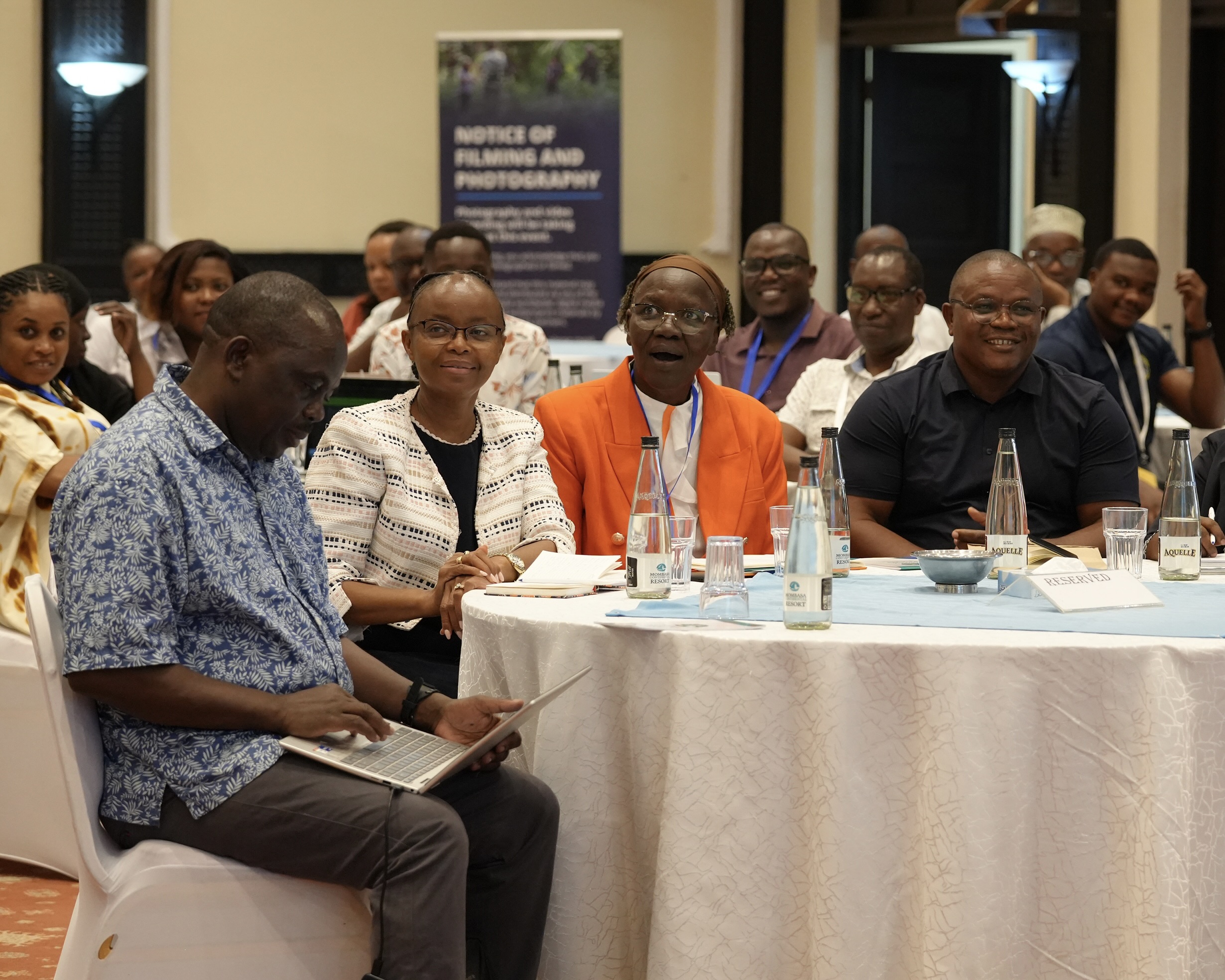
Dr. Judith Okello, a mangrove ecologist and a principal Research Scientist at the Kenya Marine Fisheries Research Institute (KMFRI) and the Chairperson National Mangrove Management Committee, said restoration should begin with understanding why mangrove ecosystems were degraded in the first place.
“Restoration is not just about planting trees, before planting, we need to assess the site, understand what caused the degradation and determine the most suitable solution. Sometimes restoring water flow or removing the cause of degradation is more effective than planting,” she said.
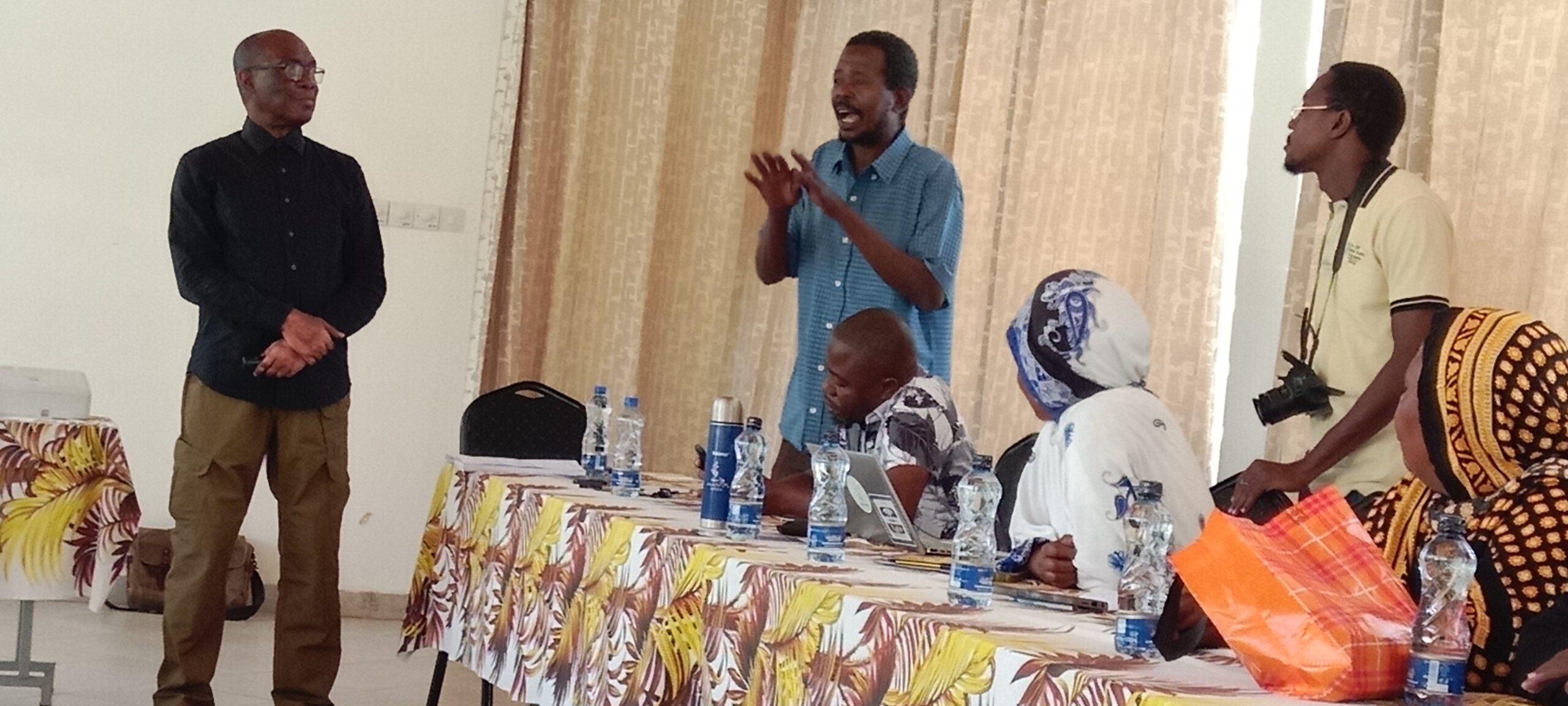
She said through partnerships involving Wetlands International and the Mangrove Action Project, more than 200 people have already been trained on Community-Based Ecological Mangrove Restoration, equipping communities with scientific knowledge to restore degraded ecosystems using the right methods.
Additionally, Dr. Okello urged communities involved in mangrove restoration to follow the National Mangrove Ecosystem Restoration guidelines to ensure conservation efforts are effective and sustainable.
The National Mangrove Management Committee is an advisory body established under the National Mangrove Ecosystem Management Plan (2017–2027) which provides technical guidance on mangrove conservation and restoration. The committee is mandated to monitor and support the implementation of the management plan while advising the Chief Conservator of Forests at the Kenya Forest Service (KFS) on matters relating to the conservation, restoration and sustainable management of Kenya’s mangrove ecosystems.