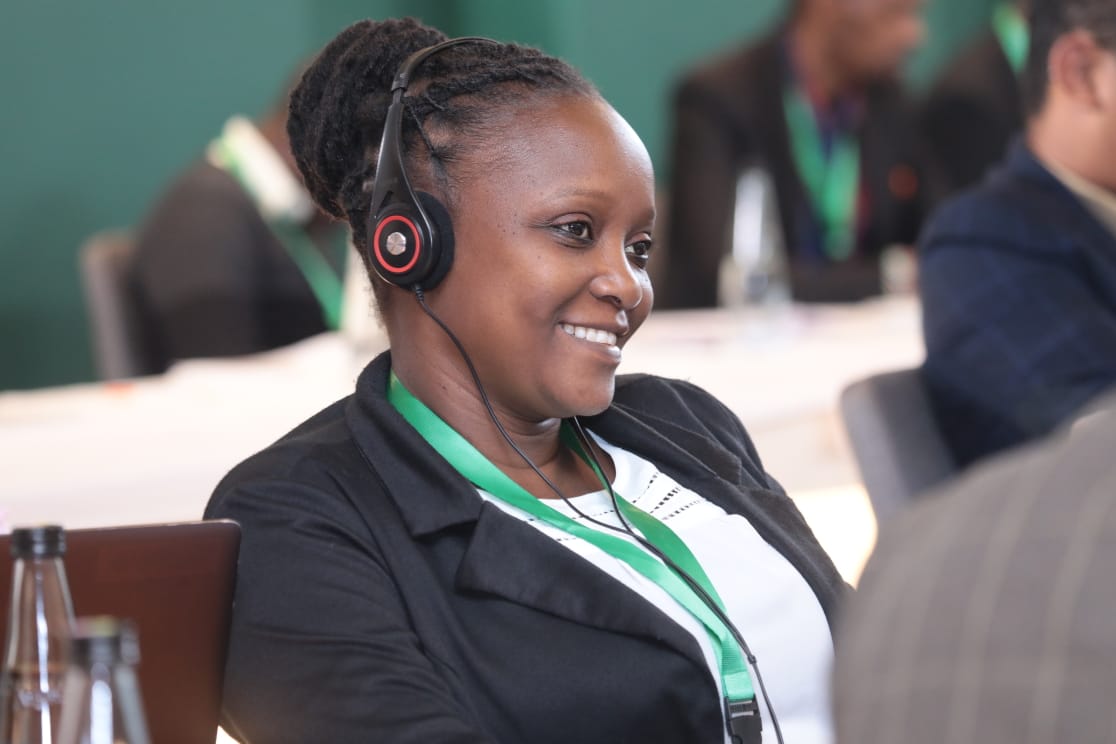
Media for Nature Editor Ruth Keah at a past Media Summit on Climate Change, held in Nairobi.
When the Media for Environment, Science, Health and Agriculture (MESHA) made a call in January 2026 for journalists to apply for the 2026/2027 media fellowship for climate journalists, Media for Nature Editor Ruth Keah saw an opportunity to continue telling environmental and climate stories, especially stories about women, a subject she is passionate about.
She applied for the opportunity, and when she received the first email informing her that she had been shortlisted for the second phase of the application, which involved a one-on-one interview with the secretariat, she knew she was on the right path.
She presented her story ideas to the team and waited for the outcome. She was eventually selected, marking the beginning of a new journey as both a researcher and a storyteller.
“Over the next year, I will undertake research and strengthen my reporting on climate change, with a focus on issues affecting vulnerable groups, including women and persons with disabilities,
“I am happy to be among the nine journalists selected from Eastern and Southern Africa for the second cohort of the Action Research to Enhance Effective Coverage of Climate Change Issues in Africa (ARECCCA) Media Fellowship project. I am grateful for this opportunity and excited to learn, grow and contribute to better climate change reporting in Africa,” Ruth said.
The nine journalists for the second cohort are Asha Bekidusa and Ruth Keah from Kenya, Anthony Lacomec from Uganda, Calvin Manika and Fairness Moyana from Zimbabwe, Irene Shone and Baboki Kayawe from Botswana, Ndama Nakashole from Namibia and Janvier Barhahiga from Democratic Republic of Congo.
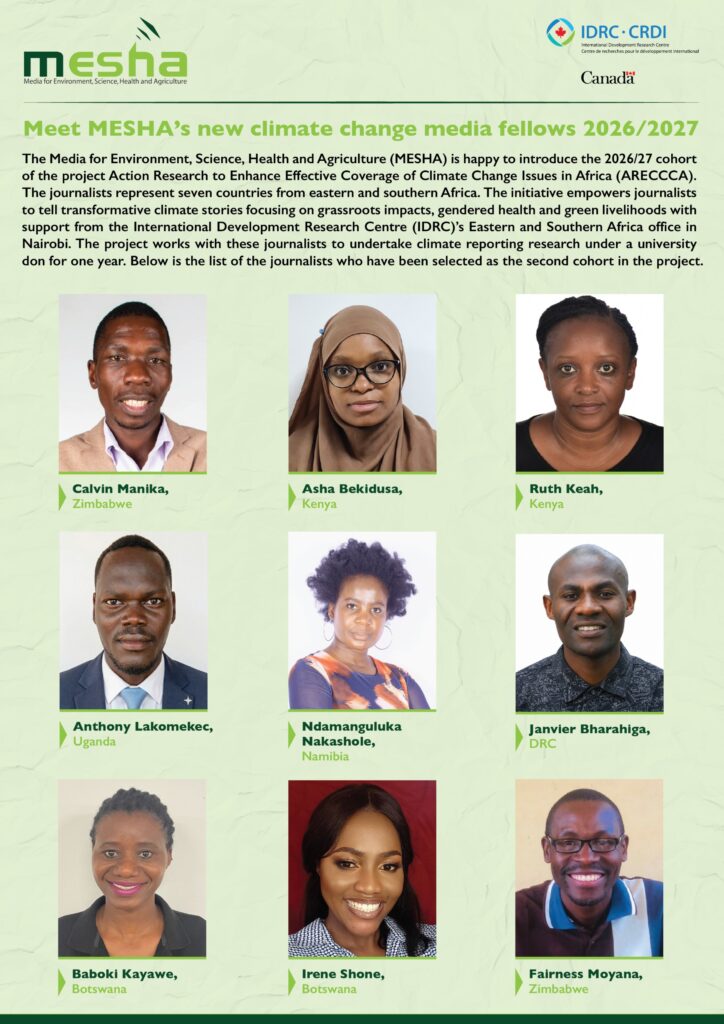
Speaking during the fellows’ kick-off Science Media Café held virtually on September 10,2026, Aghan Daniel, Chief Executive Officer of the Media for Environment, Science, Health and Agriculture (MESHA), said the selection followed a competitive and rigorous process, with 70 applications received.
“This is the second time that the association has picked journalists through a very competitive and rigorous selection process for the year-long climate change media fellowship under its Action Research to Enhance Effective Coverage of Climate Change Issues in Africa (ARECCCA) project, with support from the IDRC Eastern and Southern Africa Office based in Nairobi,” he said.
Daniel said that beyond improving coverage of climate change stories, MESHA also carries out action research, with the journalists acting as research assistants to find out how their audiences relate to climate information and how it can be better packaged to create awareness and call for action.
“The findings of the action research process will go a long way in improving coverage of climate change issues in Africa from a solutions point of view and enhancing inclusivity,” he said.
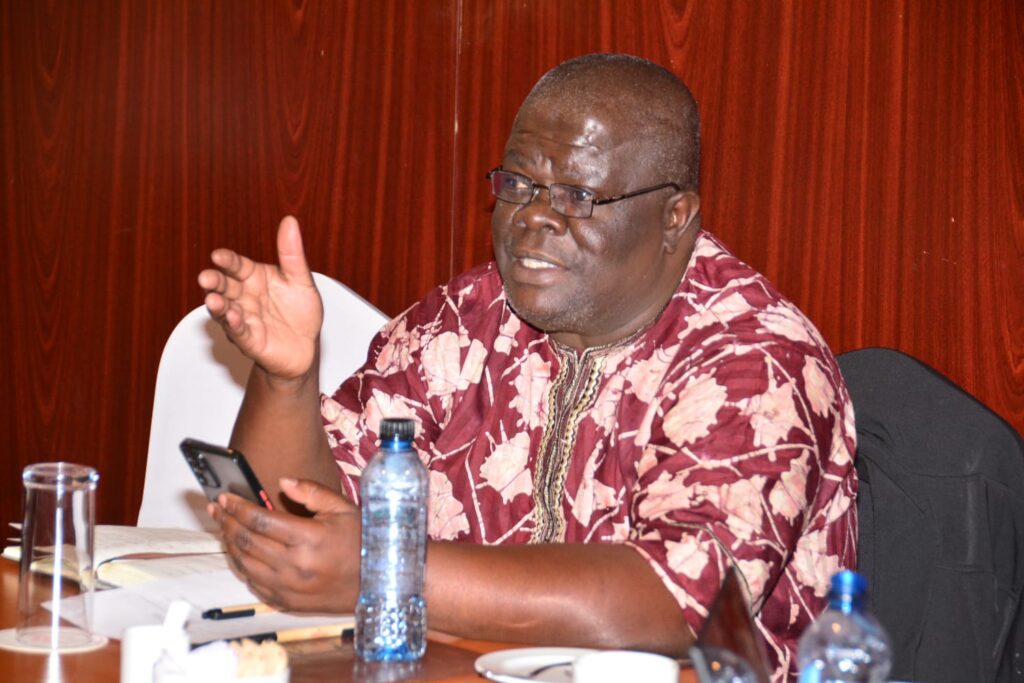
During the kick-off meeting, the fellows were taken through sessions that included gender and climate change reporting. Strengthening Gender-Responsive Climate Journalism in Africa, led by Anne Tek, who is a gender expert.
Sharon Atieno, ARECCCA Project Officer, took the fellows through the project step by step and shared the achievements made by the first cohort. She said the goal is to deepen coverage of climate change issues across Eastern and Southern Africa by addressing identified gaps and improving the accuracy, depth and impact of climate change journalism in Africa.
Angela Baiya, Communications and Knowledge Lead at the IDRC Eastern and Southern Africa Office in Nairobi, which supports the project, said the Centre was pleased with MESHA’s work in implementing the research project with the second cohort after the successful completion of the first cohort.
“I congratulate the nine media fellows and look forward to reading their stories and hearing about their experiences in the field,” she said.