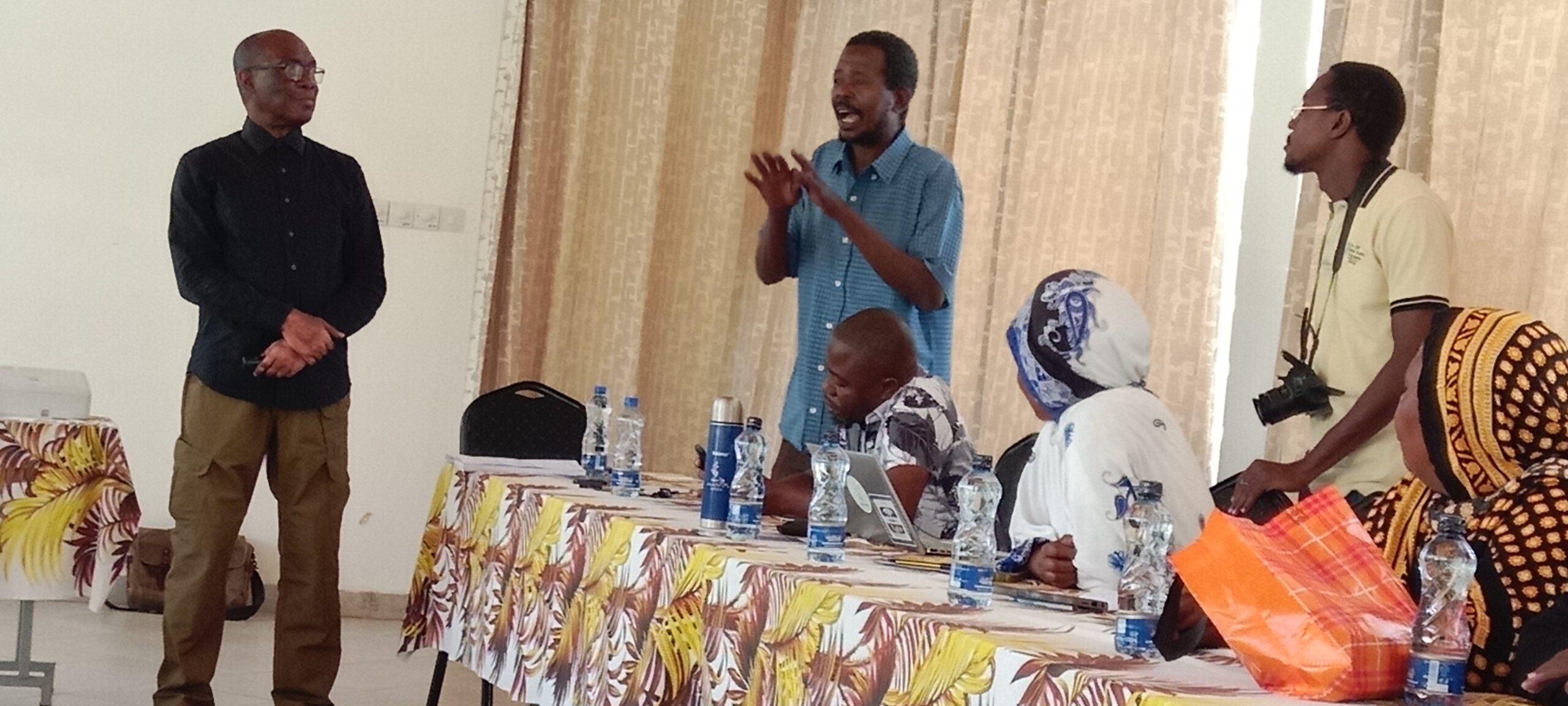
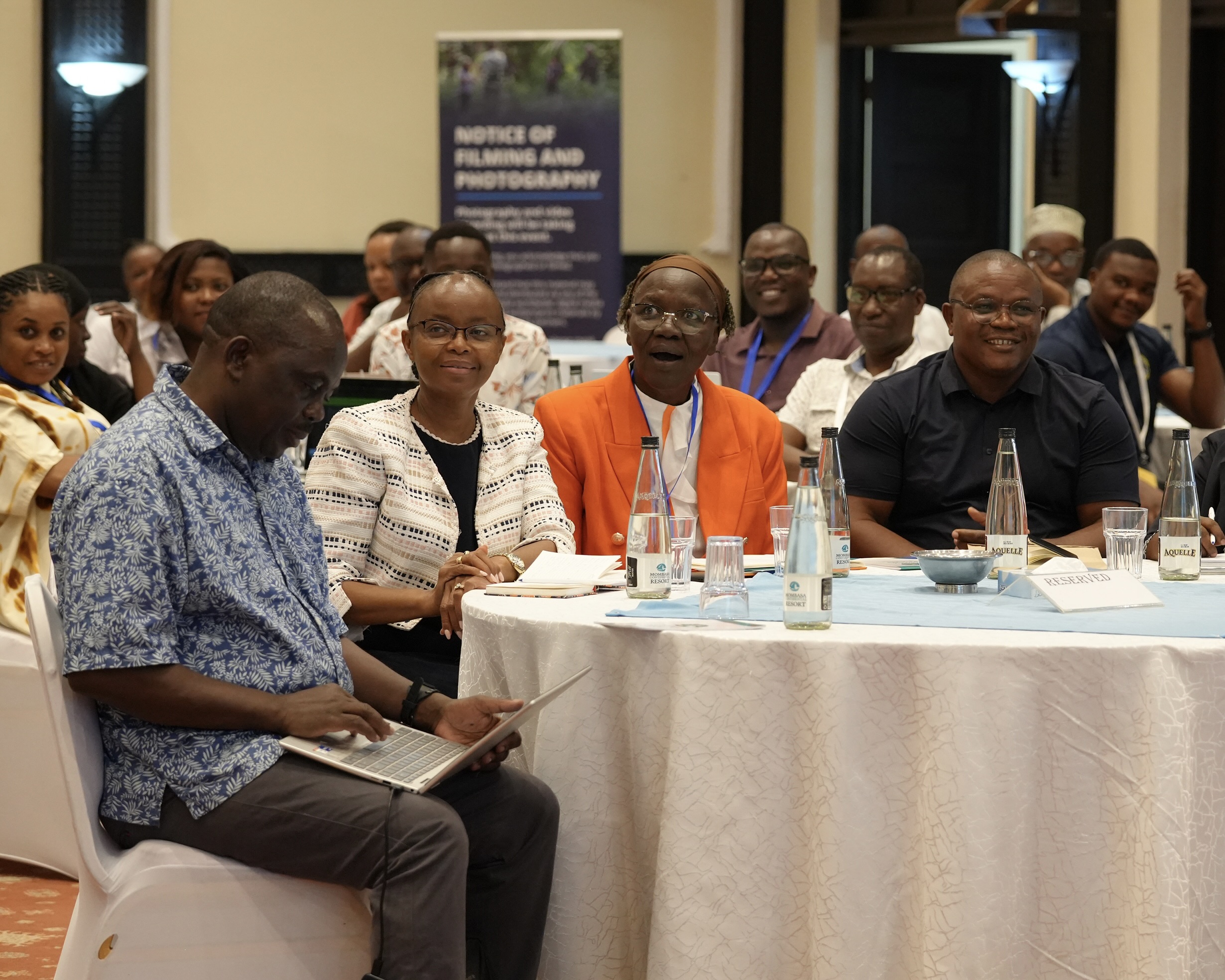
Senior Kenya Fisheries Service officials led by Director General Daisy Muriuki (second left) and Blue Ventures East Africa Regional Director Nelly Otieno (third left) following proceedings at the 2026 Annual Partners Forum | Photo Courtesy of Blue Ventures
Kenya’s coastal communities are at the centre of renewed efforts to protect marine resources, reverse declining fish stocks and strengthen livelihoods as stakeholders call for greater collaboration, better data and community-led management of the country’s fisheries.
Government agencies, Beach Management Units (BMUs), community organisations, non-governmental organisations, researchers, development partners and conservation practitioners converged for the Coastal Kenya Stakeholders and Partners Forum 2026, convened by Blue Ventures, to discuss the challenges facing the fisheries sector and identify opportunities for joint action.
The forum brought together players working with fishing communities across the coast to share experiences, identify gaps and explore ways of ensuring that marine resources are managed sustainably while delivering tangible benefits to coastal households.
For fishermen, the decline in catches is already being felt in household incomes and food security.
According to Omar Abdalla, Chairperson of Kipini BMU in Tana River County, dwindling fish stocks and declining incomes were among the biggest challenges confronting fishing communities.
He said fishers were often told that destructive and illegal fishing methods were the main causes of declining stocks, but argued that the problem was more complex.
“Climate change” and other environmental changes, he said, were increasingly affecting the marine ecosystem.
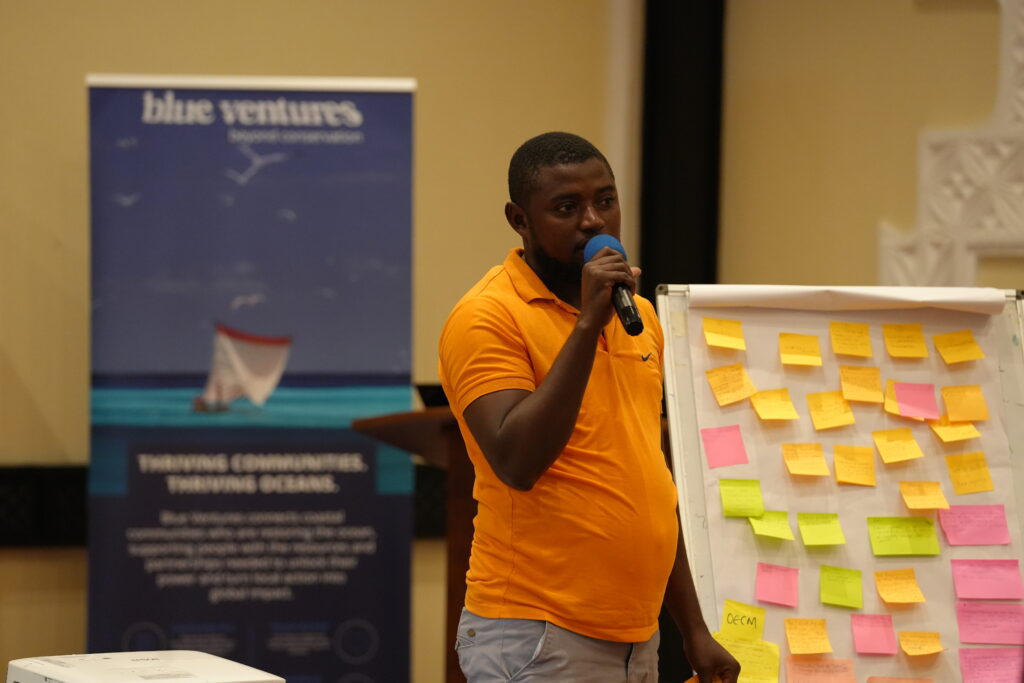
Abdalla pointed to heavy sedimentation in the ocean, particularly from rivers upstream, as one of the changes that has altered the marine environment.
The concerns reflect a broader challenge facing Kenya’s coastal communities: how to protect an increasingly pressured marine ecosystem while ensuring that the people who depend on it can continue to earn a living.
Communities at the centre
Blue Ventures East Africa Regional Director Nelly Otieno said conservation efforts must go beyond protecting ecosystems and address the welfare of individual households.
She said the organisation was working with communities and partners to strengthen capacity, promote financial inclusion and create opportunities for fisherfolk to improve their livelihoods.
“We are not only seeing benefits at the BMU level, but also seeing benefits at the household level,” Otieno said.
She cited initiatives that have enabled women and men in fishing communities to mobilise savings, access credit and participate in savings and cooperative arrangements.

Such interventions, she said, have contributed to improvements in housing, supported women-led micro-enterprises and helped families meet education needs.
The approach is aligned with the broader recognition that conservation cannot be separated from the economic realities facing communities that depend on marine resources.
Otieno said the organisation’s frontline community fund, which currently provides support through NGOs and other agencies, was increasingly looking at ways of directing funding more directly to communities.
The forum, she added, was also intended to bring together organisations that often work in the same communities but may have limited opportunities to exchange information and coordinate their efforts.
Funding and collective action
For Blue Ventures East Africa Head of Capacity Cleo Obota, financing remains one of the major gaps limiting communities’ ability to achieve both fisheries and conservation objectives.
He said stronger coordination and collective action were needed to ensure that communities had the capacity and resources to manage the marine environment effectively.
“Our approach is building capacities of the community, recognising the central role that they play – how they manage the resources and derive benefit from the resources,” Obota said.
Blue Ventures works at both community and national levels, including through Beach Management Units, which provide a legal and institutional framework through which fishing communities can participate in fisheries management.
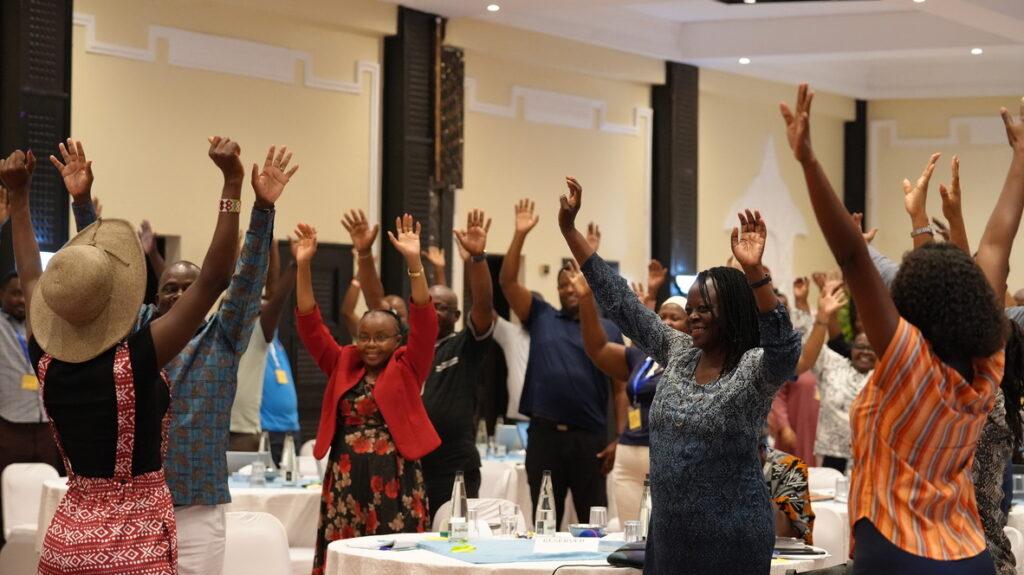
Obota said the organisation was also supporting a shift towards joint co-management areas, where communities work together to manage shared marine resources.
She pointed to collaboration with BMU networks in Kwale and Tana River counties as an important part of the approach.
The networks help individual BMUs implement management plans developed in collaboration with the Kenya Fisheries Service.
According to Obota, collective action gives communities greater ability to mobilise resources and address fisheries challenges that cannot be solved by individual BMUs working alone.
Government seeks stronger partnerships
The Kenya Fisheries Service said the forum provided an opportunity for the government to better understand the work being undertaken by non-state actors and identify gaps requiring greater attention.
Jared Agano, Director of Capture Fisheries at KeFS, said the government’s role was to provide regulatory direction while working with communities and partners to ensure sustainable management of fisheries.
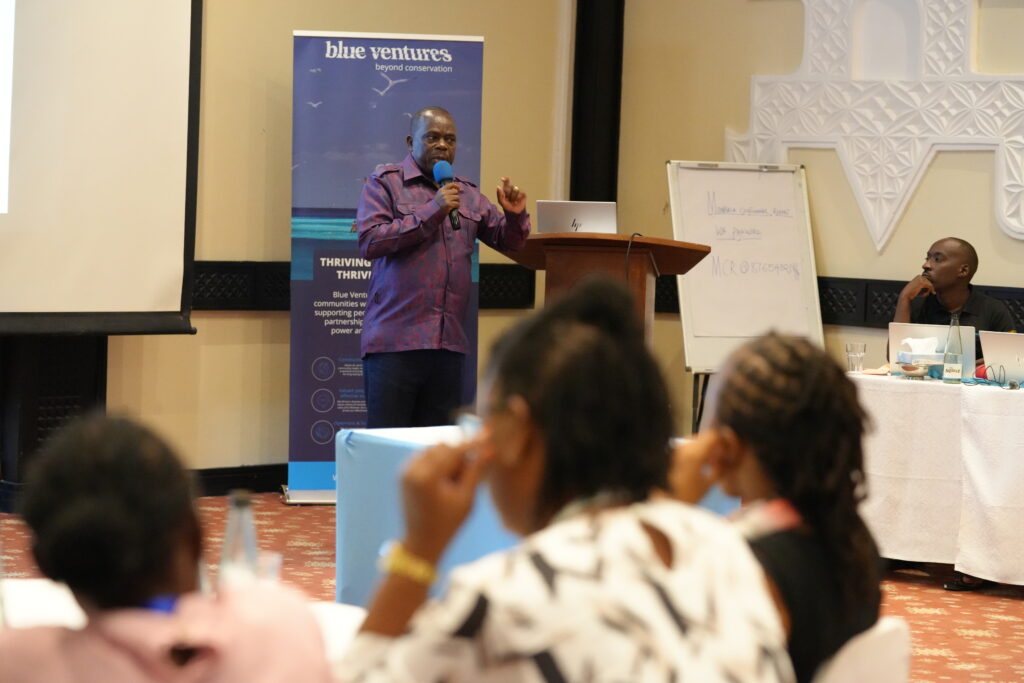
He identified information sharing and fisheries data as key areas requiring greater collaboration.
KeFS has developed fisheries management plans for priority fisheries, including marine aquarium and lobster fisheries, and is seeking to strengthen implementation of these plans.
Agano said BMUs were also involved in collecting data on fish landings, but acknowledged challenges in obtaining complete information, particularly because some catches go unreported.
Such gaps make it more difficult for authorities to understand the true state of fisheries and design appropriate management measures.
He said co-management guidelines had helped strengthen the capacity of fishing communities to participate in data collection and fisheries management.
Elizabeth Mulwa, Deputy Director at KeFS, said collaboration with county governments had also resulted in the establishment of co-management areas designed to improve data collection and compliance.
There are currently eight Joint Co-Management Areas (JCMAs) in the region, she said.
“These are very important,” Mulwa said, adding that the forum was an opportunity for government to take stock of ongoing initiatives and build stronger synergies among organisations already working with coastal communities.
The ultimate objective, she said, was to achieve healthy ecosystems and sustainable fisheries.
Sh45 billion lost to IUU fishing
The urgency of the challenge was underscored by Kenya Fisheries Service Director General Daisy Muriuki, who said Kenya loses about Sh45 billion every year because of illegal, unreported and unregulated (IUU) fishing in the Indian Ocean and inland waters.
Muriuki warned that failure to address IUU fishing could result in even greater economic losses.
She called for stronger data-sharing mechanisms, improved monitoring, control and surveillance, better research and greater involvement of local communities in fisheries management.
Muriuki said research institutions needed to share their findings with communities so that local fishers could better understand the importance of fisheries data and use it in managing the resources on which they depend.
She also called for greater coordination of fisheries information under the Kenya Fisheries Service, the institution mandated to manage and develop fisheries data.
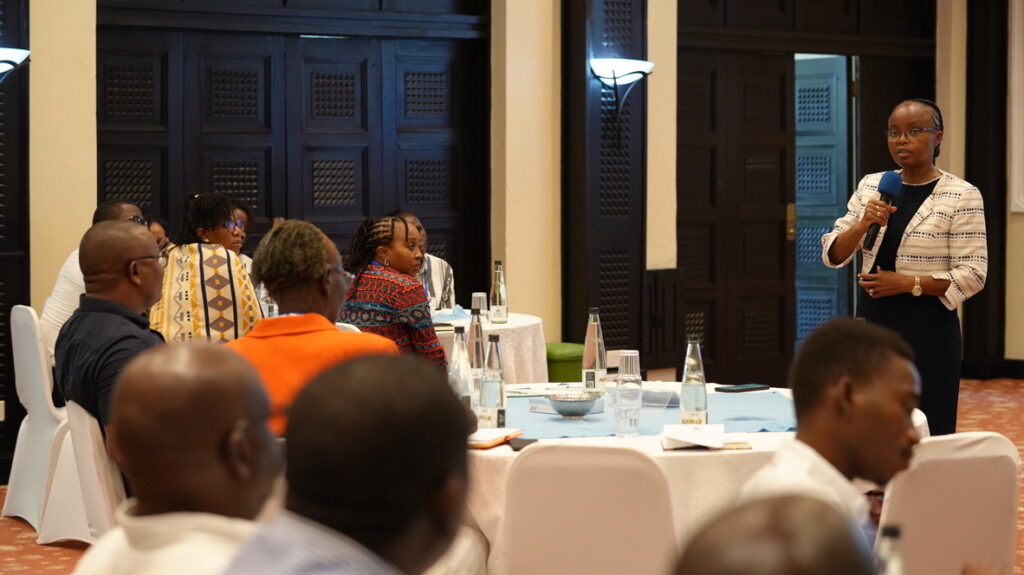
The government is increasing surveillance patrols within the marine and blue economy sector, although Muriuki acknowledged that these efforts require significant resources.
Kenya has also installed a Vessel Monitoring System at a KeFS command centre in Mombasa as part of efforts to strengthen surveillance of fishing activities.
Muriuki said greater use of cameras could also help address IUU fishing at a lower cost to government.
She noted that IUU fishing affects operators across the sector, including industrial, semi-industrial, local and international fishing activities.
At the local level, failure by fishers to report catches also contributes to the problem because it leaves authorities without a complete picture of the quantity of fish being harvested.
Muriuki said Kenya had allocated resources towards tackling IUU fishing and improving the country’s standing within the Indian Ocean Tuna Commission framework.
From conservation to household resilience
The forum therefore sought to broaden the conversation beyond fish stocks and conservation areas to include household resilience and financial inclusion.
Blue Ventures said its experience working with coastal communities had demonstrated that conservation gains can be reinforced when households are better able to manage and benefit from their income.
Savings groups, access to credit, micro-enterprises and stronger community financial institutions can help reduce economic vulnerability while giving communities greater capacity to participate in conservation.
The approach also places communities at the centre of decision-making, recognising that local fishers possess valuable knowledge about changing marine conditions and resource use.
Participants said locally generated evidence should complement scientific research and government data when decisions are made about the management of coastal resources.
A call for collective action
The Coastal Kenya Stakeholders and Partners Forum was designed as a community of practice and collaborative learning platform, bringing together actors who are often working on different parts of the same challenge.
Participants agreed that stronger partnerships are necessary to address the interconnected problems of declining fish stocks, climate change, habitat degradation, IUU fishing and coastal poverty.
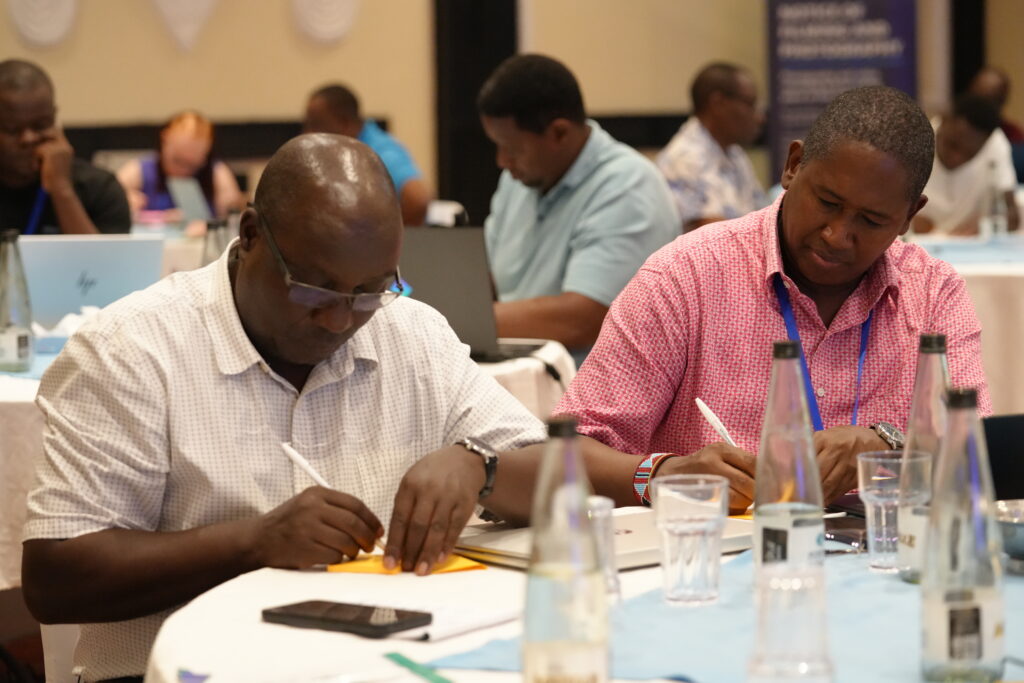
The forum identified several priorities, including improved coordination across the fisheries sector, better sharing of fisheries data, stronger community capacity, implementation of fisheries management plans, financial inclusion and greater community participation in policy and conservation decisions.
The message from the coast was clear: protecting Kenya’s blue economy will require more than enforcement.
It will require government, communities, conservation organisations, researchers, development partners and private-sector players to work together, share information and invest in solutions that deliver both healthy marine ecosystems and resilient households.
For coastal communities whose livelihoods depend on the ocean, the success of these efforts will ultimately be measured not only by the health of fish stocks, but also by whether families can put food on the table, send their children to school and build secure and sustainable livelihoods.