
The Media for Environment, Science, Health and Agriculture (MESHA), in partnership with the Solutions Journalism Network (SJN), has competitively picked six media outlets for the first cohort of the Africa Climate Beacons Newsroom Initiative 2026/2027.
The selected newsrooms, out of 133 strong applications received by MESHA, will participate in a seven-month climate solutions journalism engagement running from August 2026 to March 2027.
“The initiative brings together newsrooms from across English-speaking Africa to strengthen climate reporting, deepen newsroom capacity and shift coverage beyond problem-focused reporting towards evidence-based responses to climate challenges,” said Aghan Daniel, the Chief Executive Officer, MESHA.
The six successful newsrooms include The Star Newspaper/Radio Africa Group – Kenya; Water Journalists Africa – Uganda; Media Challenge Initiative – Uganda; Social Voices – Nigeria; Habitat Media – Tanzania; and Zodiak Broadcasting Station – Malawi.
The inaugural cohort represents five African countries and a diversity of media platforms, reflecting the initiative’s commitment to supporting climate journalism across radio, digital, print, broadcast and other emerging media platforms.
Aghan added that through the partnership between MESHA and Solutions Journalism Network (SJN), participating newsrooms will receive support tailored to strengthen their ability to report on how climate change is affecting communities and to examine evidence-based responses and adaptations.
The programme will provide participating newsrooms with solutions journalism training, regular coaching from experienced climate and solutions journalism experts, audience and community engagement training, impact tracking support and workshops aimed at deepening climate solutions storytelling.
The newsrooms will also participate in monthly engagements and coaching sessions involving MESHA and SJN staff. The initiative seeks to amplify climate solutions reporting by encouraging newsrooms to move beyond reporting problems alone and instead investigate credible and evidence-backed responses. It also aims to strengthen journalists’ climate literacy and storytelling skills, improve audience engagement and encourage cross-border and regional collaboration on shared climate challenges.
As part of the fellowship, participating newsrooms will develop inception work plans outlining their climate story series and timelines. They will also be expected to produce a minimum of eight in-depth climate solutions stories in formats including print, digital, broadcast, multimedia or podcasts, while tracking the reach and impact of their reporting.
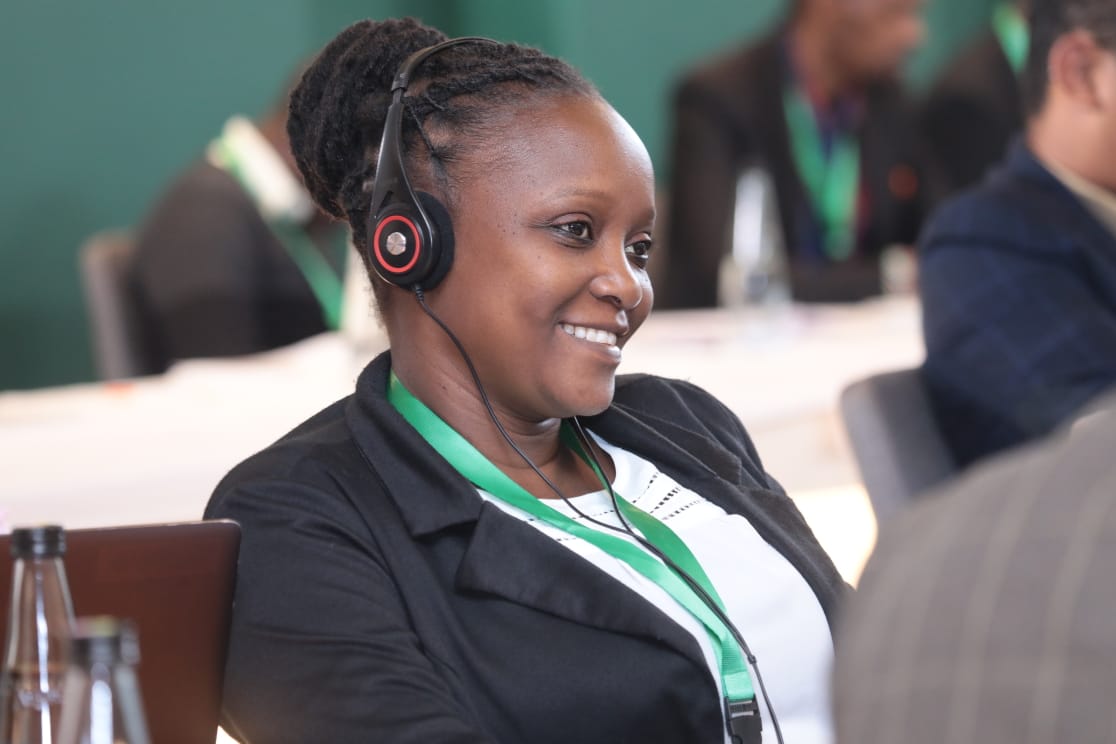
Speaking on the selection of the first cohort, Nduta Waweru MESHA Vice-chairperson said that selection of newsrooms from five different Africa countries reflects the shared nature of the climate crisis across the continent, while also recognising that climate impacts and responses are deeply local.
“The six newsrooms bring different audiences, platforms and experiences to this initiative. Over the next seven months, they will have an opportunity to strengthen their climate and solutions journalism skills, learn from experts and peers, engage more meaningfully with their audiences and produce stories that can contribute to a better understanding of possible responses to climate challenges,” she said.
Adding that, “Climate change is not only a story about what is going wrong; it is also a story about what is being done, what is working, and what can be learned. By equipping journalists with the skills, knowledge and networks to investigate credible climate solutions, we can strengthen public understanding, inspire action and ensure that communities across the region see themselves not only as those affected by climate change, but also as part of the solution.”
Bozo Jenje, MESHA Chairman, commends the successful media houses for being part of the historic initiative to participate in the climate story mentorship program offered by MESHA and SJN.
Jenje said this is not just another training on offer but a value-added training for communicators that will effectively turn actual evidence-based stories that communities can relate to and assist them in solving their issues at a time that global societies are faced with climate-related challenges.
“It is a milestone for MESHA to be on the front line to work with the media in Africa to offer this essential service to empower communicators to be better and deliver quality to the audience”, he said.
Further, he added that the impact of the training will last long for those selected and is intended to create interest among more communicators to acquire solution journalism skills to improve their reporting.
The Africa Climate Beacons Newsroom Initiative is expected to create a network of newsrooms better equipped to produce rigorous, locally relevant and impactful climate solutions journalism, while fostering learning and collaboration across the border.