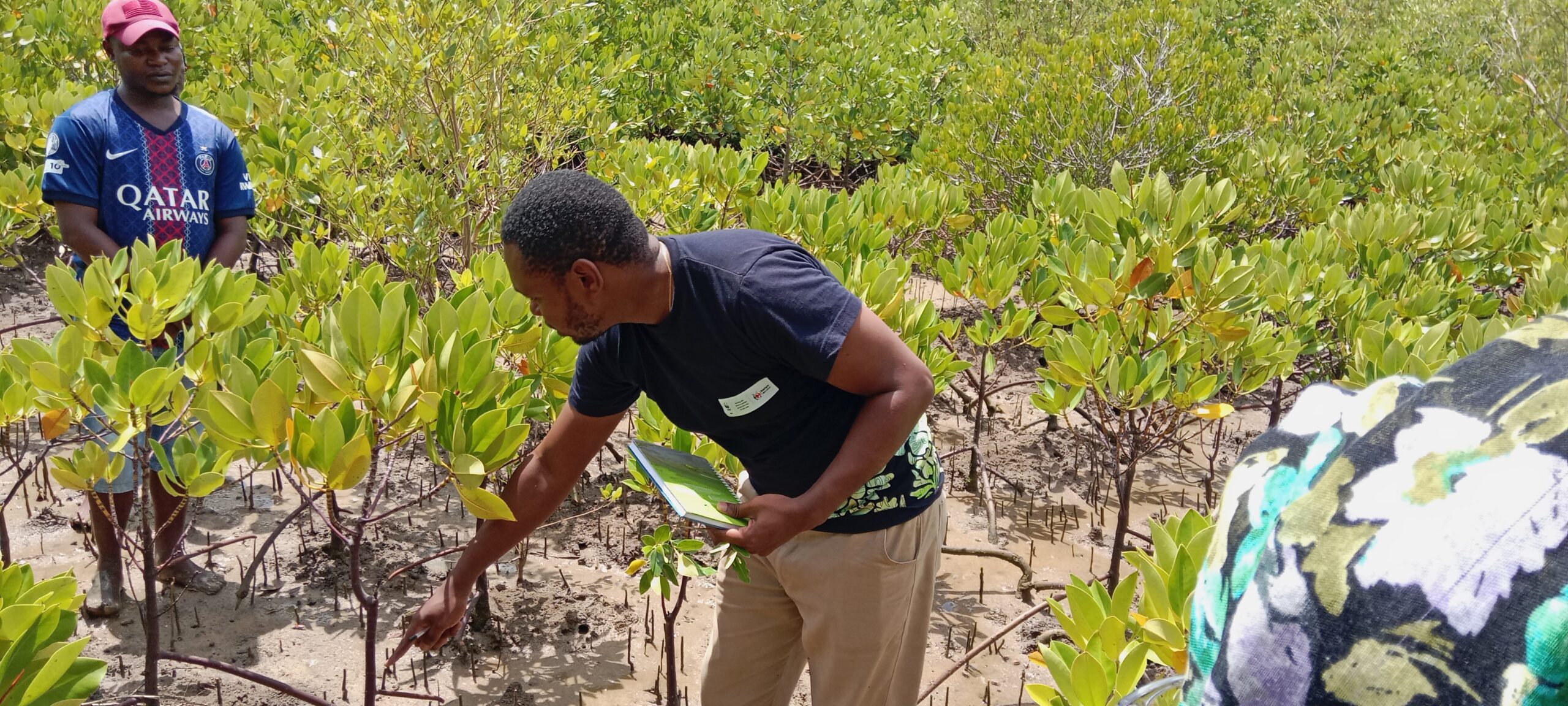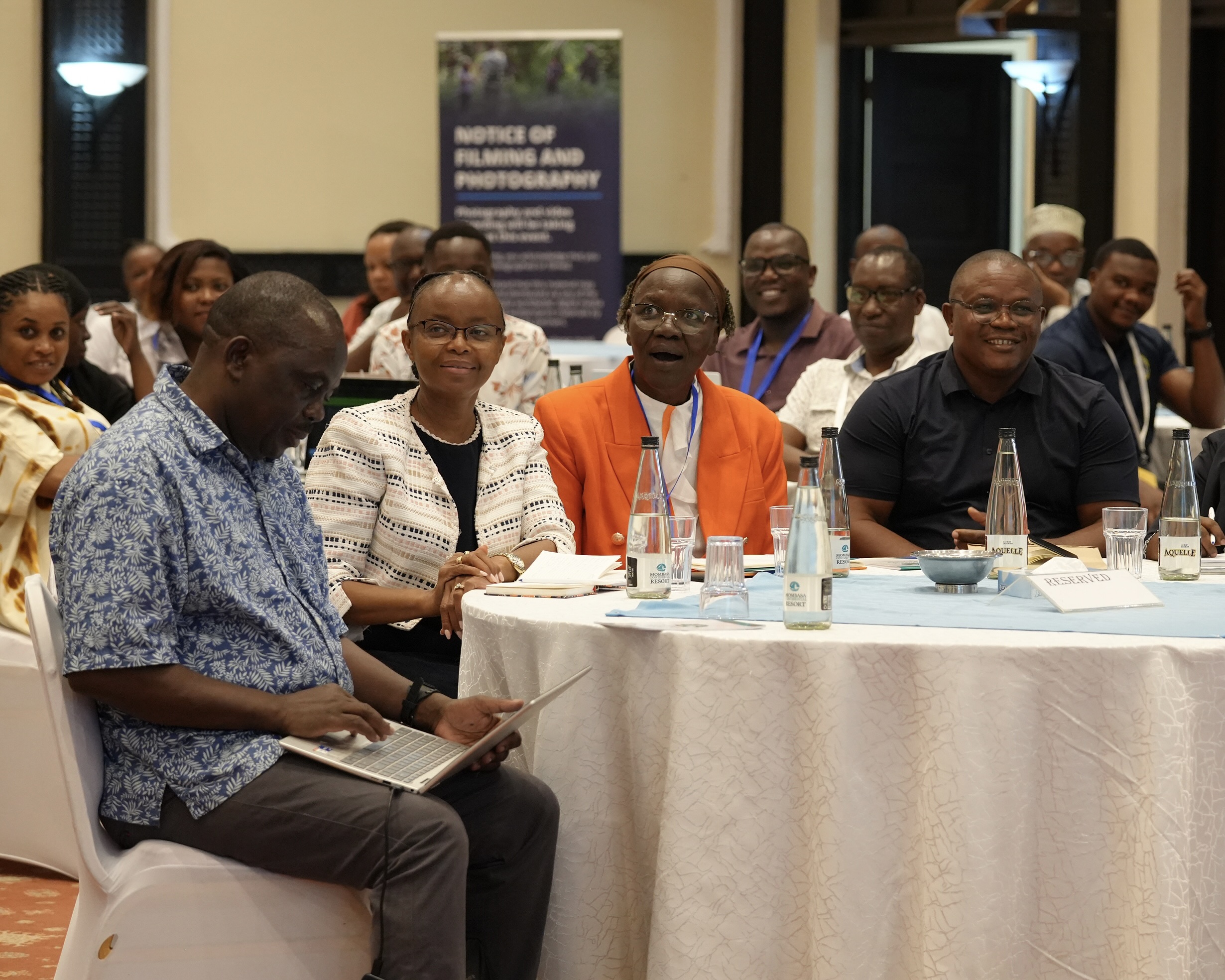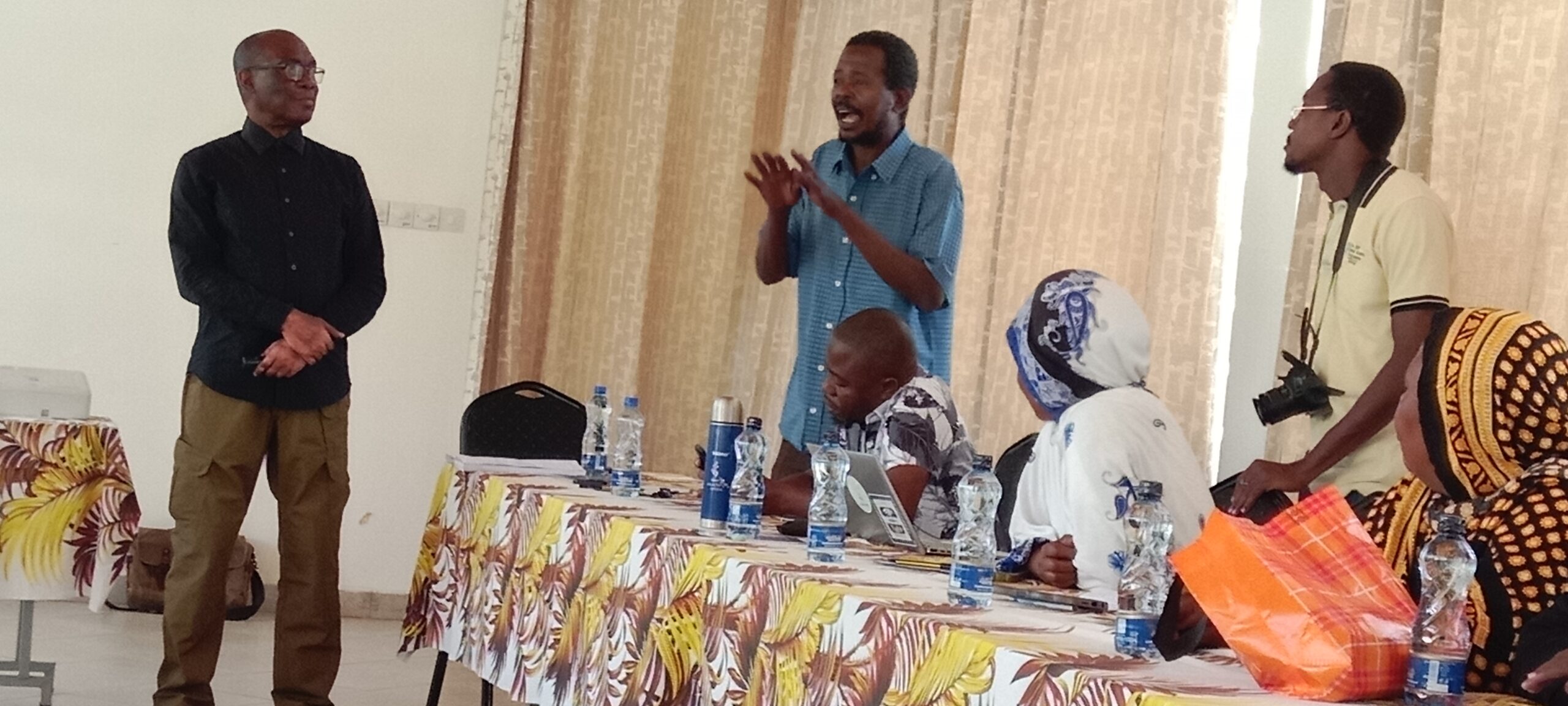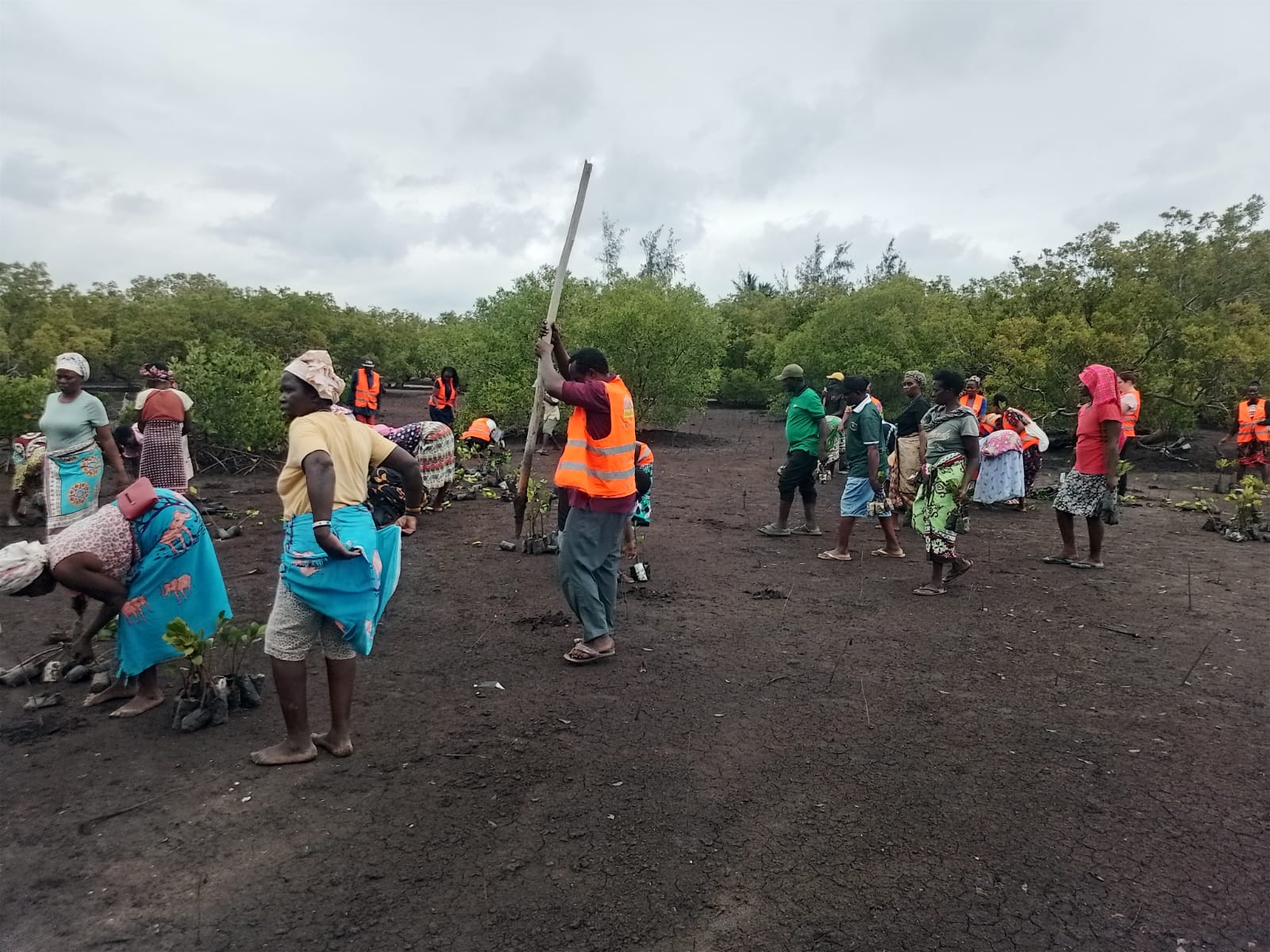
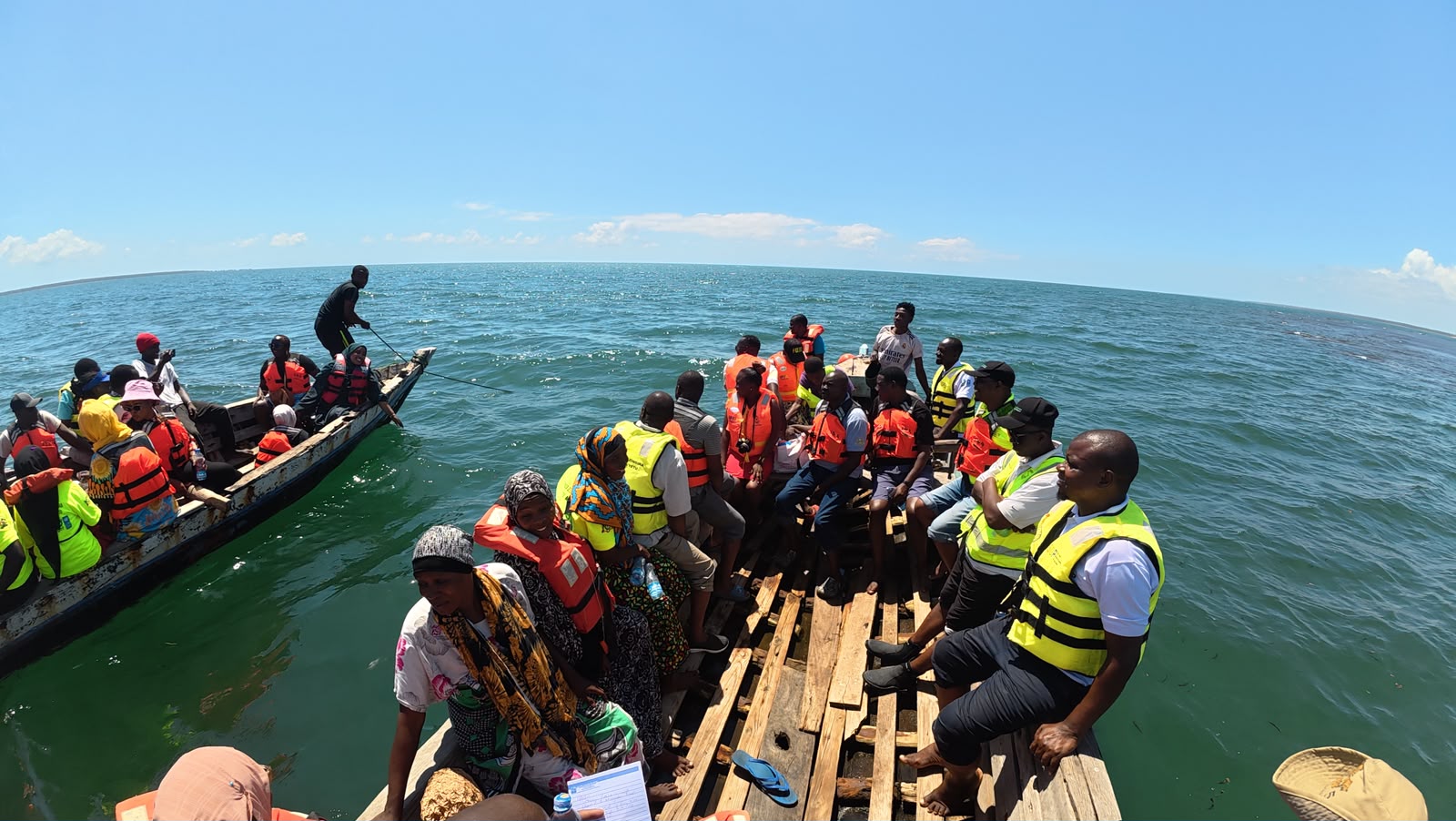
The cross-learning tour took the grantees to Jimbo closure for seagrass meadows to survey the area where Jimbo BMU is implementing the GEF SGP project |Photo Courtesy
For many of them, it was their first encounter with seaweed. Some had never seen it before, let alone imagined that it could be transformed into food, cosmetics and other products capable of generating income.
But during a three-day visit to the Shimoni–Vanga and Bodo–Mwandamu seascapes in Kwale County, visitors from Samburu, Isiolo and Baringo counties got more than a lesson in marine conservation. They had an opportunity to sample seaweed delicacies prepared by their hosts and served aboard a traditional dhow in Shimoni.
The experience was part of a cross-learning exchange programme supported by the United Nations Development Programme’s Global Environment Facility Small Grants Programme (GEF SGP), bringing together grantees from terrestrial and marine landscapes to share experiences and explore how community-led conservation can deliver environmental and livelihood benefits.
For the visitors, the lessons were as diverse as the ecosystems they represented. From Beach Management Units (BMUs) and marine restoration to women-led enterprises, youth engagement and the use of creative arts in environmental advocacy, the coastal communities demonstrated that conservation need not be separated from economic empowerment.
For Mavan Lesanjir from Samburu County, one of the most significant lessons was the BMU model of managing shared natural resources.
His community faces mounting challenges along the Ewaso Nyiro River, where sand harvesting is destroying habitats that support fish and crocodiles.
“We have a problem with Ewaso Nyiro and after this cross-learning tour of the Shimoni–Vanga Seascape, I have learnt the concept of Beach Management Units and how successful they are in managing resources here,” he says.
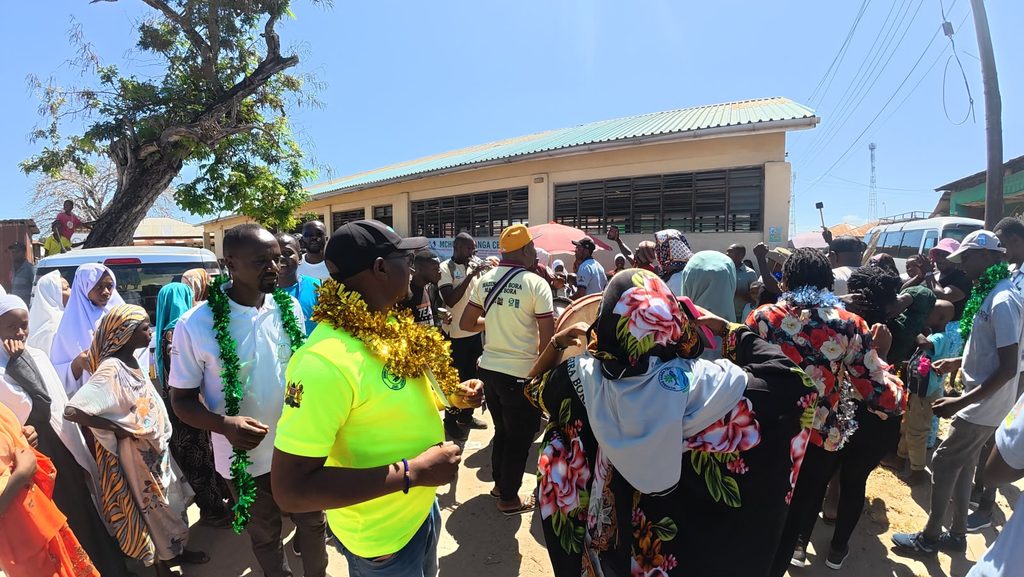
Lesanjir believes the model could be adapted to the river ecosystem through collaboration with the Samburu County Government, just as coastal communities work with the Kwale County Government in managing marine resources.
He was equally impressed by how local organisations are using music, art and social media to communicate conservation messages.
At Mchongo Community-Based Organisation (CBO) in Vanga, young people use their creative talents to communicate environmental messages and engage communities. For Lesanjir, this offered an opportunity to rethink how his community could mobilise young people around conservation.
His parting shot: “I am happy I got the opportunity to eat and also buy seaweed value-added products,” he says, adding that the concept of value addition could inspire communities in Samburu to develop products from medicinal plants available in their landscape.
Conservation that pays
Beyond the exchange of ideas, the visit demonstrated how conservation initiatives can create economic opportunities while protecting threatened ecosystems.
Gibson Mwatete, a UNOPS consultant responsible for exit and sustainability strategies under GEF SGP, says one of the outstanding lessons was the integration of biodiversity conservation with sustainable livelihoods.
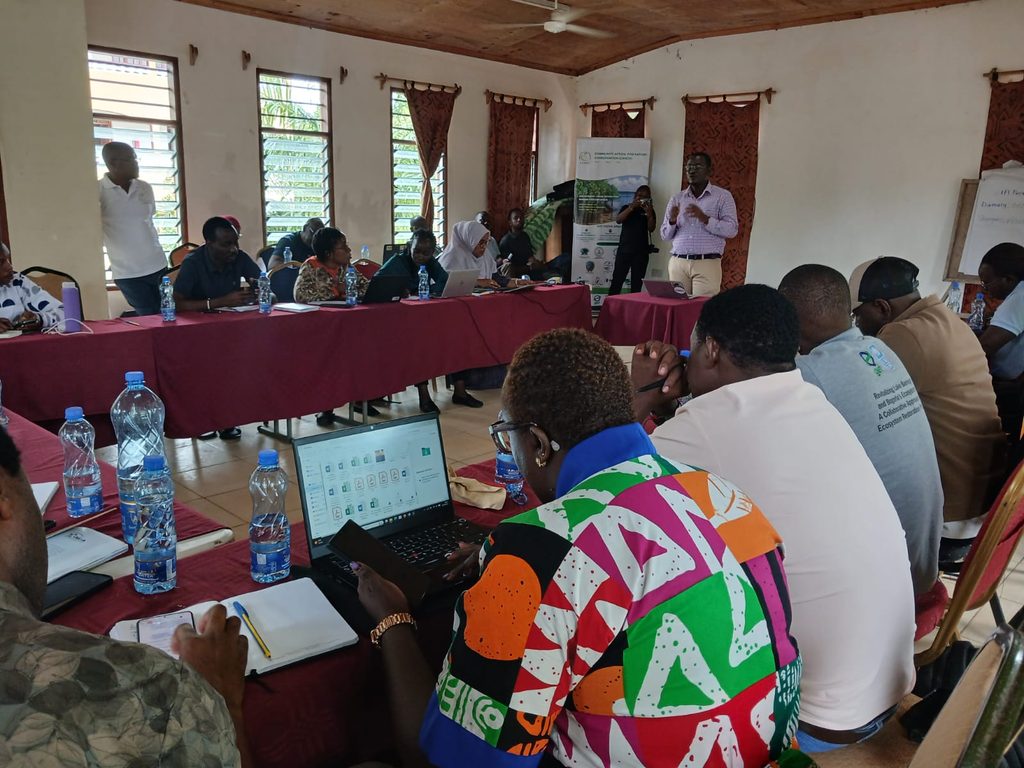
At Diani, the delegation visited Colobus Conservation Trust, which works to protect the endangered Angolan colobus monkey. Of particular interest was its collaboration with the Munje Tunusuru Women Group, whose activities demonstrate how livelihood interventions can contribute directly to habitat protection.
Through the promotion of energy-saving cooking stoves, the women are helping reduce household dependence on firewood, easing pressure on surrounding forests and mangrove ecosystems that support biodiversity.
The group has also diversified into beekeeping, waste collection, table banking and other income-generating activities.
Mwatete says the initiative illustrates how conservation can be made economically meaningful to communities, particularly women who are often at the frontline of natural resource use.
The group has benefited from GEF SGP support channelled through the conservation initiative, including the renovation of its multipurpose social hall, establishment of honey-processing and storage facilities and development of a workshop for making energy-saving stoves.
According to Mwanadiwani Yusuf, a former chairlady of Tunusuru, the transformation has been significant.
When the group began its activities in 2020, it had only six beehives. Following training in modern beekeeping, hive management and trapping techniques, the group increased its holdings to 60 hives.
Its first harvest yielded 75 litres of honey, followed by 100 litres in a subsequent harvest.
Today, income comes from honey sales, energy-saving stoves and hiring out the renovated social hall to organisations and groups holding meetings and workshops.
The experience has also changed perceptions about women’s involvement in activities traditionally considered the preserve of men.
Mariam Khamis, a member of Tunusuru, says the group initially lacked the technical knowledge required for professional beekeeping and depended on purchased wax sheets, increasing production costs.
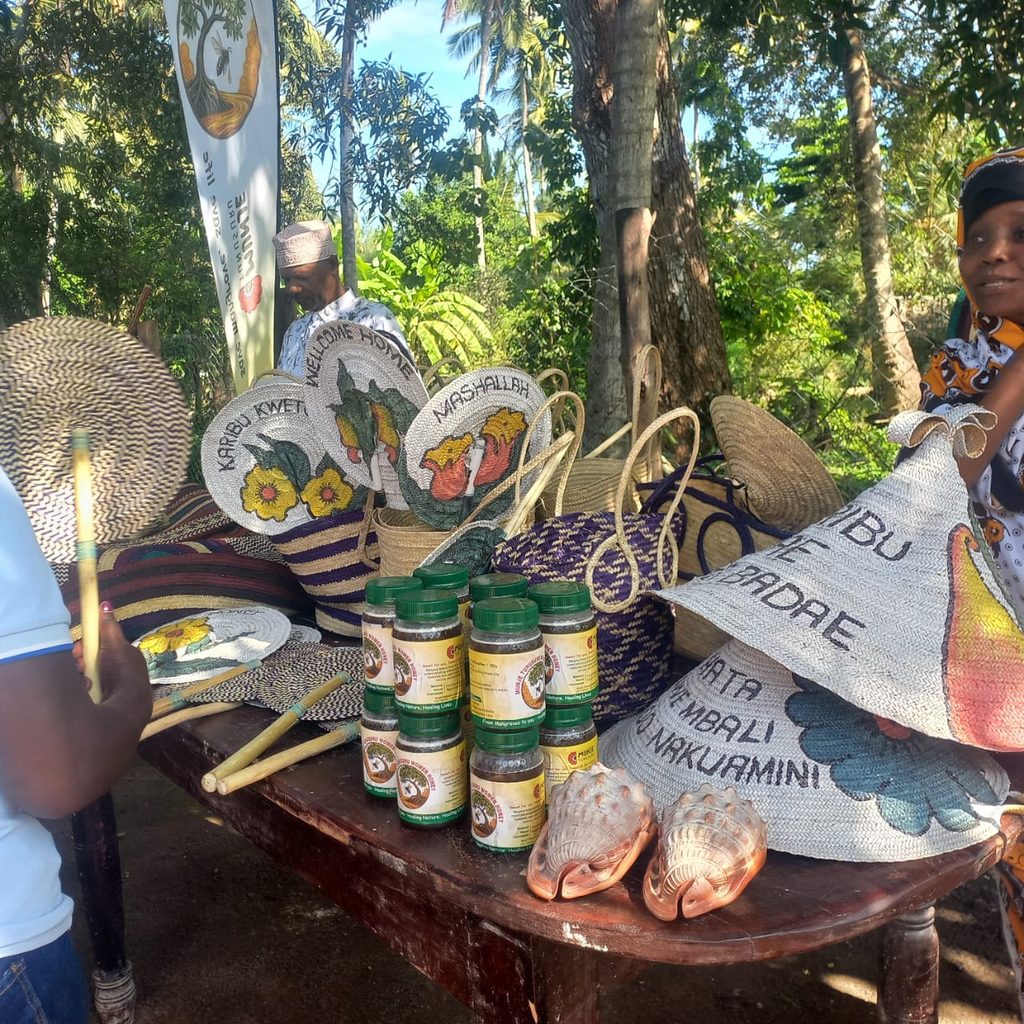
Through training, members have learnt to make their own wax sheets and manage the entire production process.
“We thought it was only men who could be involved with beekeeping, but now the tables have turned,” she says.
Protecting the ocean through community leadership
The visitors also encountered a range of marine conservation initiatives demonstrating the importance of community ownership.
At Jimbo, the delegation learnt about the work of the Beach Management Unit in restoring and protecting seagrass meadows, including the establishment of a no-take conservation zone.
Mwabwiza Tueni, chairperson of the GEF SGP-funded Jimbo BMU Project Implementation Committee, says the intervention has significantly reduced destructive activities within the protected area.
A person living with disability, Tueni also highlighted the importance of inclusivity in community conservation, noting that the project had strengthened his group’s capacity in financial management, reporting, project implementation and stakeholder engagement.
He said one of the greatest achievements has been bringing different groups on board, irrespective of gender, age, disability or community background.
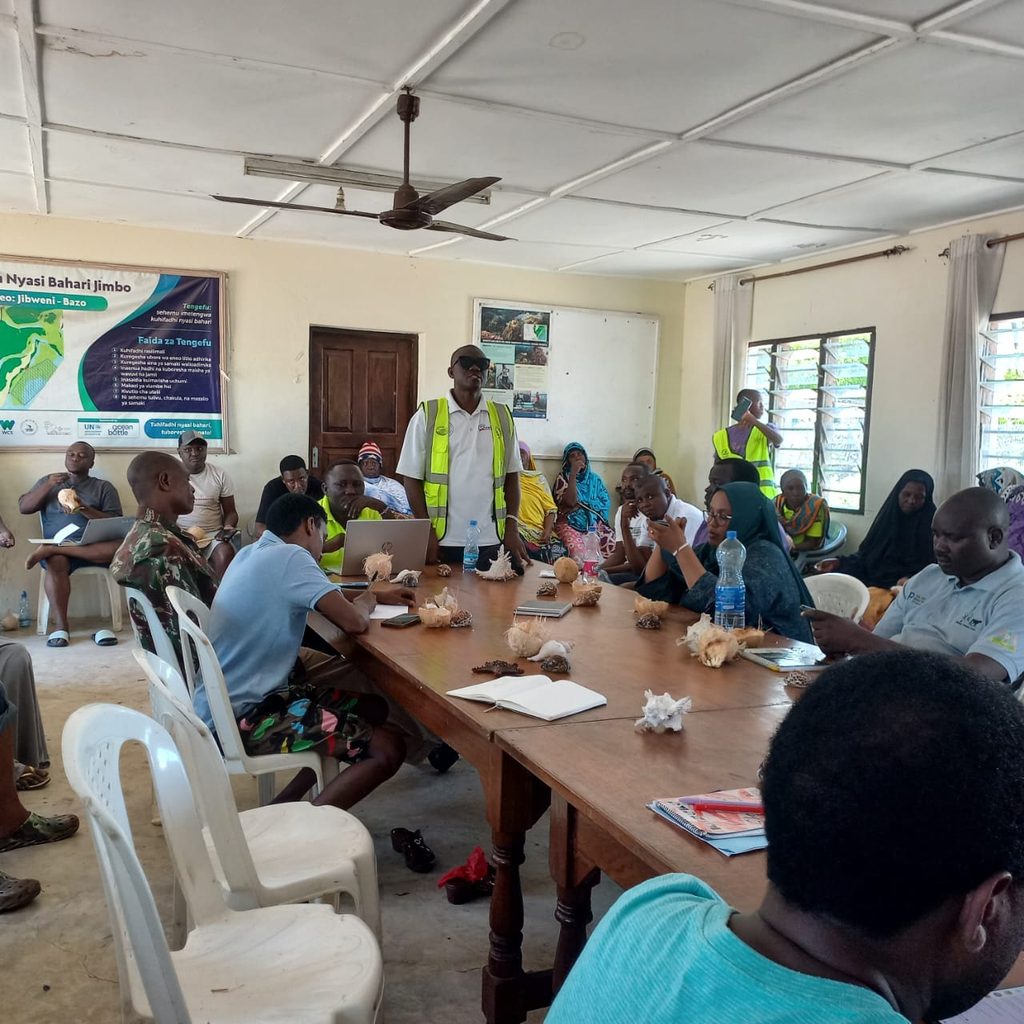
The delegation also visited initiatives involving youth-led sea turtle conservation through Shimoni Turtle Watch and coral restoration and propagation by Wasini BMU.
Mwatete said the work taking place in Jimbo, particularly the community’s interest in developing a blue carbon project, offers an innovative approach that could be replicated in other coastal landscapes.
At Vanga, the visitors learnt about a sustainable fishing basket-trap initiative being implemented by Vanga BMU. Although the project experienced implementation delays following leadership changes, the new team has embarked on completing the revised target of 100 traps, having already produced 50.
Burhan Mashamba Yusuf, the BMU chairperson, said the experience has underscored the importance of project ownership, proper induction, financial accountability and the effective use of locally available materials.
The power of creative conservation
Another recurring lesson was the importance of involving young people and using creative approaches to communicate environmental messages.
Yusuf Dina, a GEF SGP grantee from Isiolo, was particularly impressed by Mchongo CBO in Vanga, where young people use art and performance to communicate conservation issues.
He said the approach could be adapted in Isiolo, where communities are working to conserve the Ewaso Nyiro River through the Samburu–Isiolo Conservation Area (SICA).
Joseph Lolkoloi of PACIDA, an organisation working in Kenya’s arid and semi-arid lands, was equally impressed by the commitment of coastal communities to monitoring marine resources.
He singled out the use of drama and music to address community challenges, including gender-based violence, as an approach that could be replicated in terrestrial landscapes.
For Kenneth Omuga, Executive Director of Farming Systems Kenya, the exchange offered practical lessons on how communities can develop alternative enterprises while addressing environmental challenges.
While Baringo faces challenges such as charcoal burning, the coastal communities are grappling with mangrove degradation. Yet, in both landscapes, community enterprises offer opportunities to reduce pressure on natural resources while improving livelihoods.
Omuga said collaboration between BMUs and county governments is particularly worth exploring in Baringo, where stronger institutional partnerships could support sustainable natural resource management.
Building sustainability beyond donor support
While the exchange focused on sharing conservation experiences, sustainability emerged as an equally important theme.
Roseline Mumbo, Communication and Branding Specialist with UNOPS, said eco-enterprises must be developed in ways that enable communities to generate income while protecting the environment.
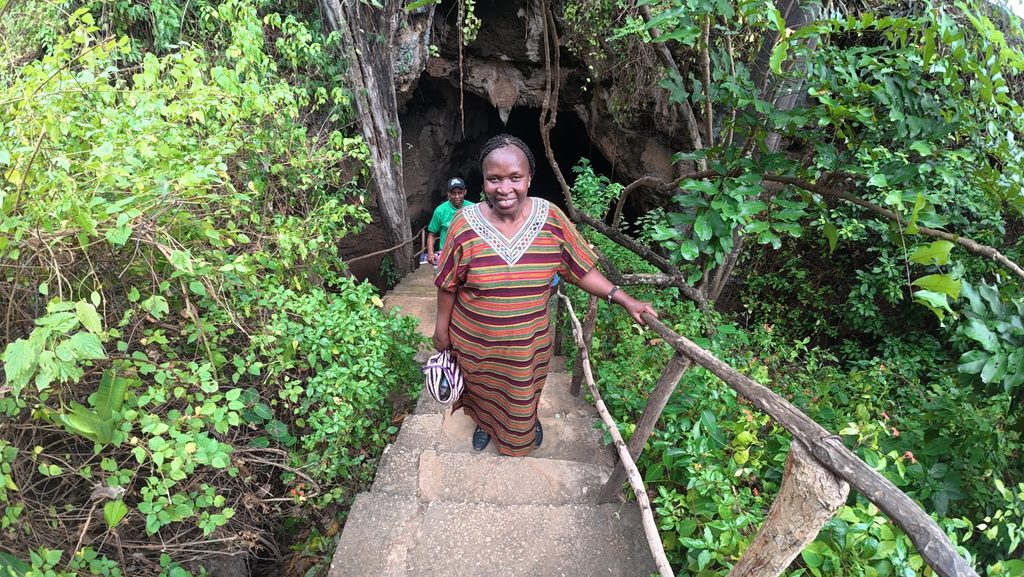
She was impressed by the enthusiasm with which coastal groups were producing, consuming and marketing their products, particularly seaweed-based products.
However, she emphasised the need to strengthen product quality, consistency, branding and access to finance to enable community enterprises to grow beyond donor support.
Eunice Mwaura, a GEF SGP programme officer, said cross-learning exchanges were incorporated into the programme following GEF-6 to enable grantees to learn from one another and identify approaches that could be replicated in their respective landscapes.
She was encouraged by the integration of conservation and livelihoods across the visited projects, particularly initiatives empowering women, young people and persons living with disabilities.
According to Mwaura, the Tunusuru Women Group demonstrates how community organisations can build economic resilience through diversified enterprises while contributing to environmental protection.
Richard Bemaronda, GEF SGP Project Manager at Community Action for Nature Conservation (CANCO), which coordinated the tour in Kwale, commended the coastal grantees for their commitment to implementing the projects.
The exchange provided an opportunity to appreciate the achievements made while allowing communities from different ecological settings to reflect on the approaches that could strengthen their own conservation work.
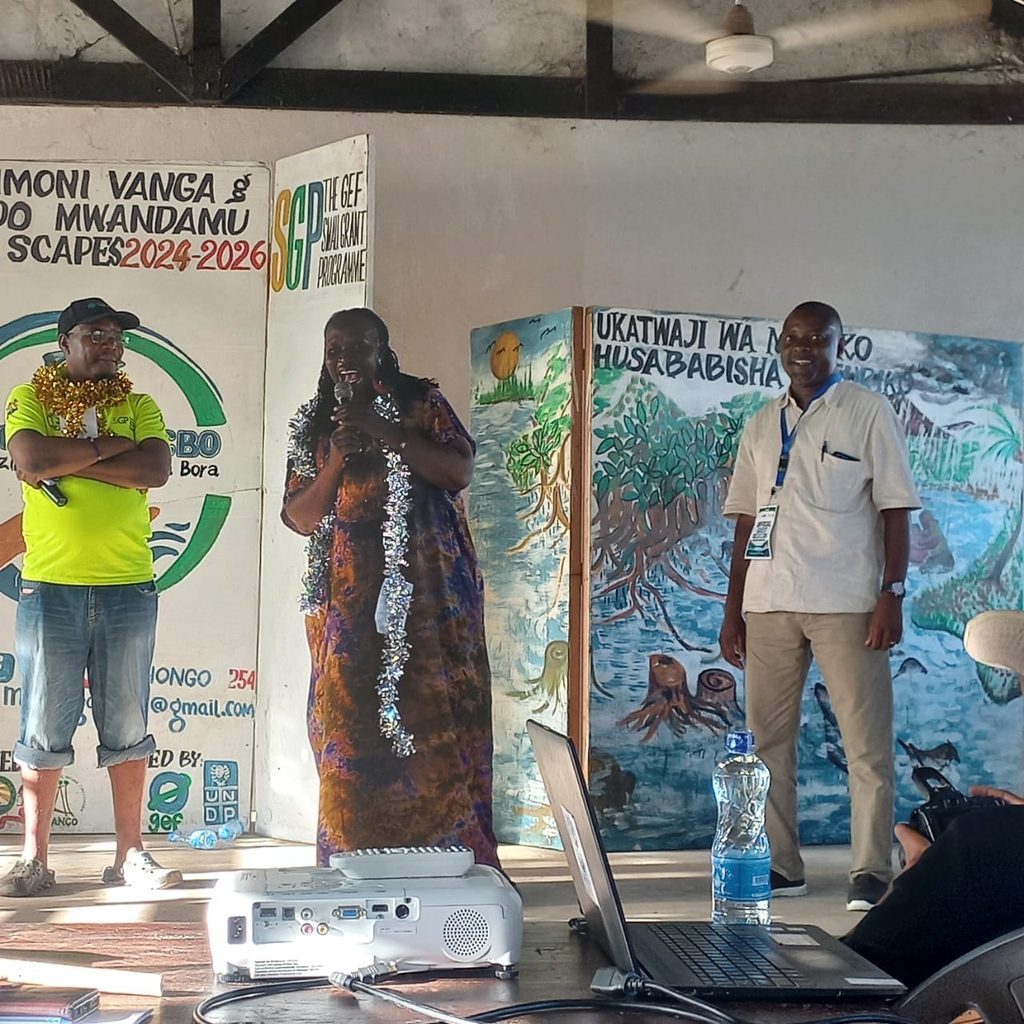
“Ultimately, the experience in Kwale demonstrated that although the challenges facing Kenya’s dry lands and marine ecosystems may differ, the principles of successful community conservation remain remarkably similar: local ownership, inclusive leadership, partnerships, sustainable enterprises and the ability to turn environmental protection into an opportunity for improved livelihoods,” said Bemaronda.
For the visitors from Samburu, Isiolo and Baringo, the journey home was therefore about more than memories of a dhow ride or their first taste of seaweed delicacies.
They were returning with practical ideas on how to protect their rivers, strengthen community institutions, involve young people and women, and develop enterprises that make conservation economically worthwhile.