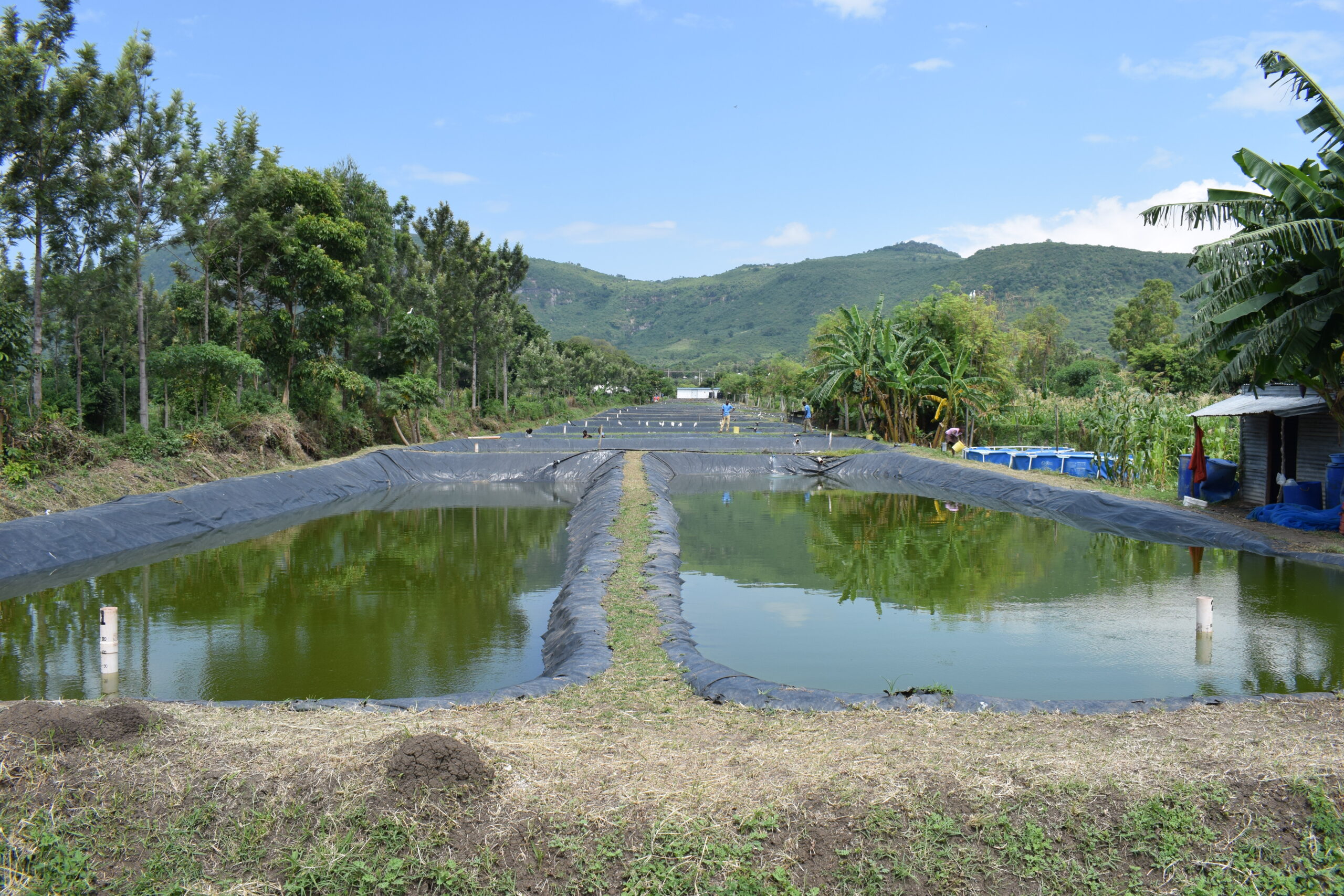
Fish ponds , Photo courtesy MEDA
Kenya’s growing fish farming and fishing activities are putting increasing pressure on aquatic ecosystems, threatening fish species, habitats and other forms of biodiversity, a new assessment has found.
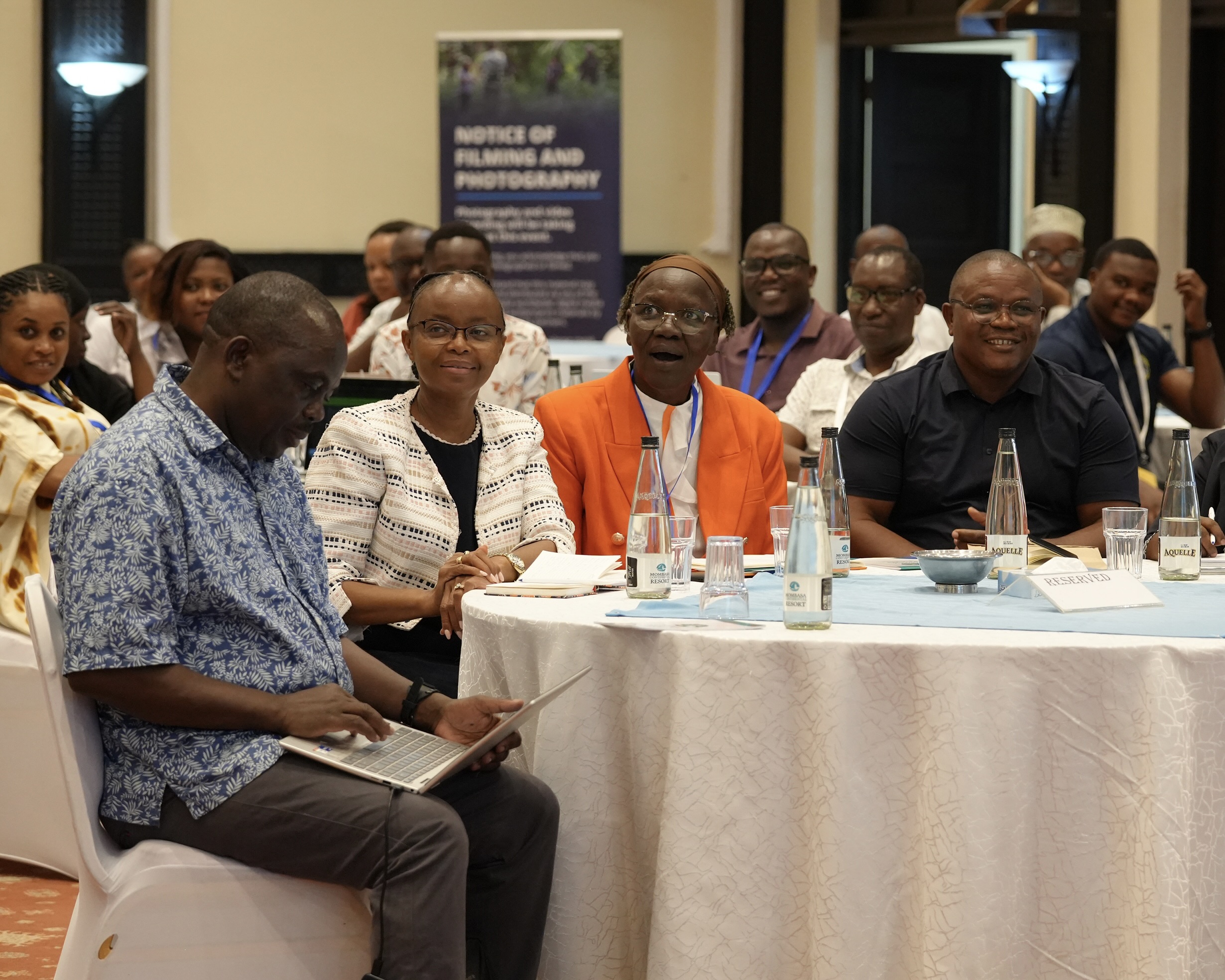
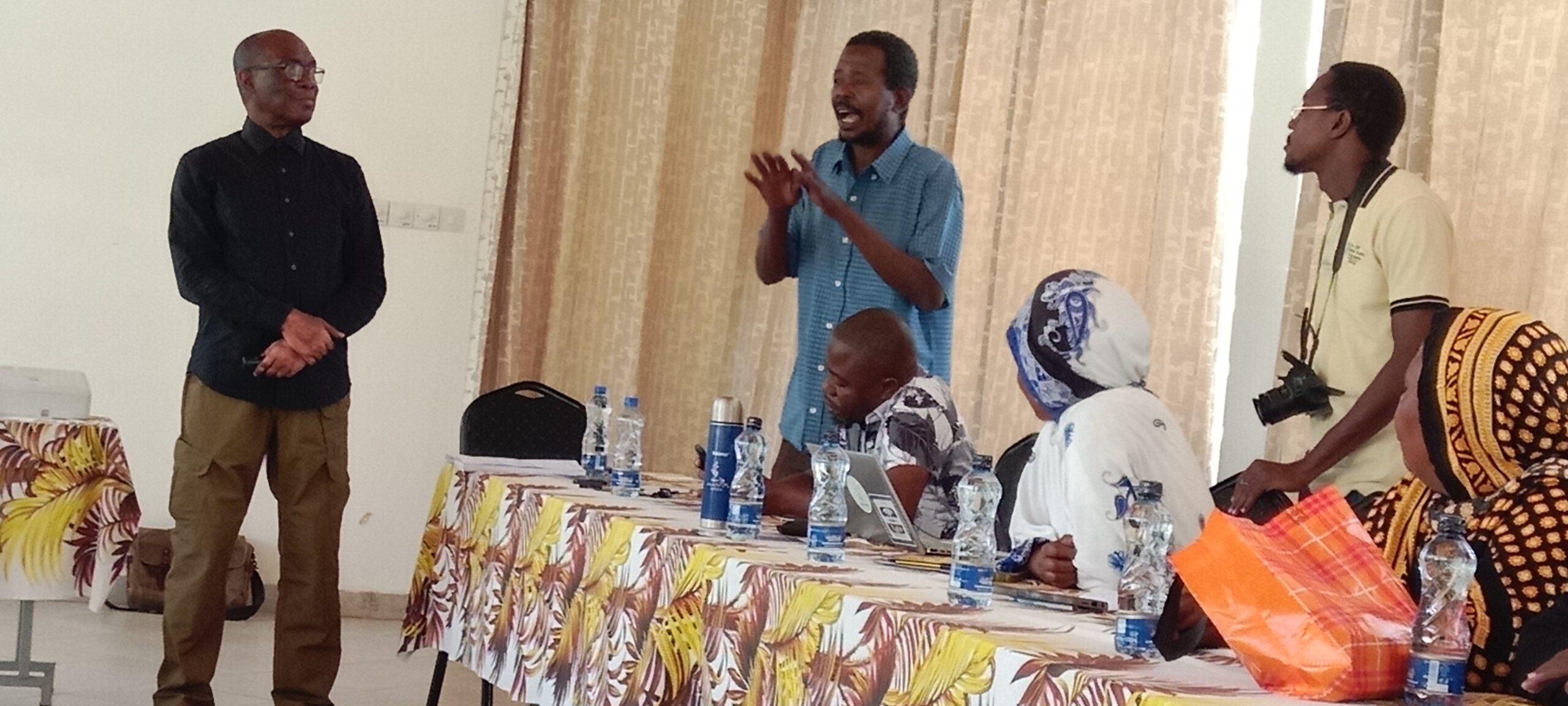
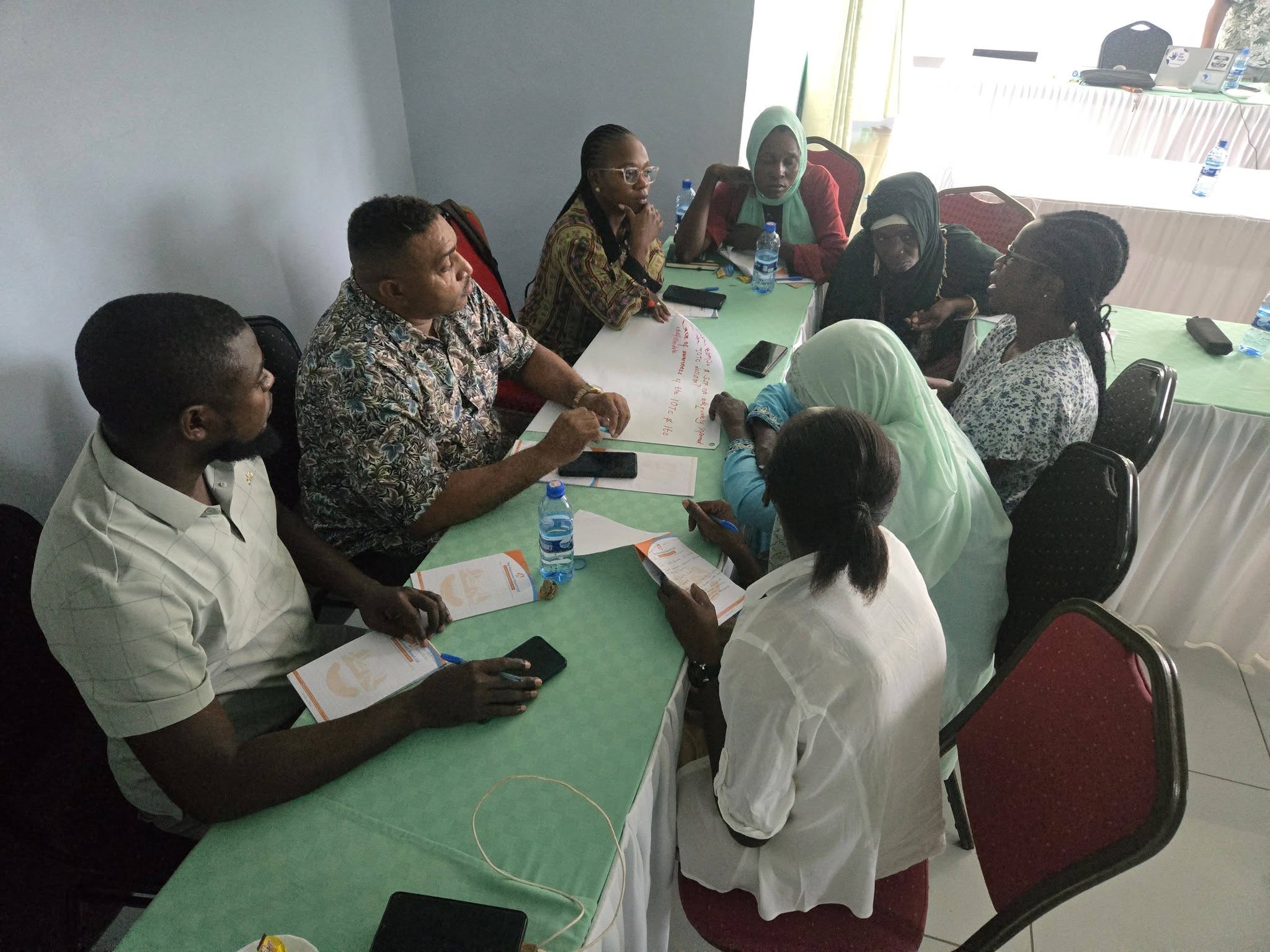
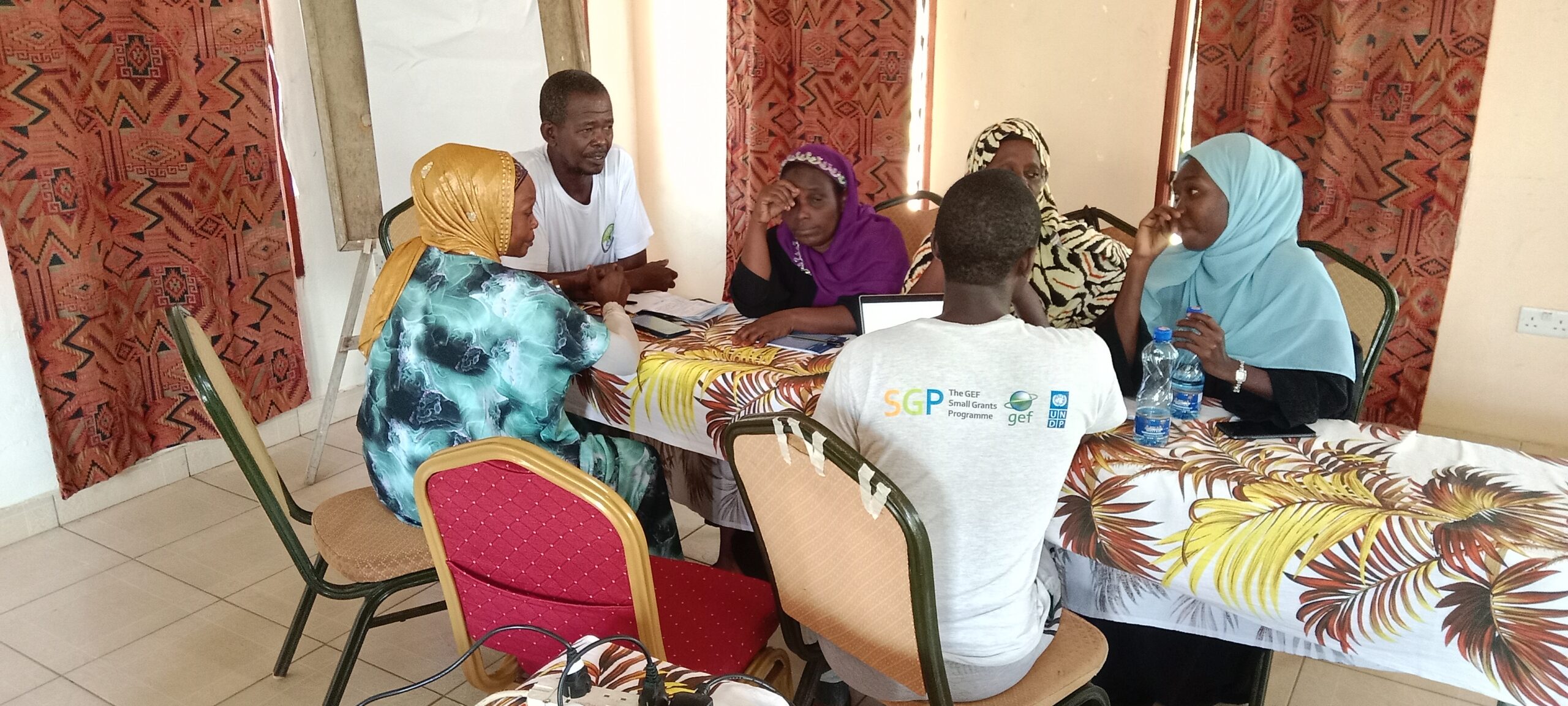
During a virtual dissemination of the findings of a comprehensive biodiversity assessment of the Lake Victoria Region and the Coast of Kenya, by Joseph Kuria of Mennonite Economic Development Associates (MEDA) Kenya and Prof. Maarifa Mwakumanya (PhD) Environmental Management consultant Pwani University under the Leveraging Equality for Gender-Inclusive Economic Development (LEGEND) project funded by Global Affairs Canada, Professor Mwakumanya, said the assessment examined the condition of aquatic ecosystems and identified risks linked to fish farming and fishing activities.
“The assessment examined the condition of aquatic ecosystems and identified risks linked to fish farming and fishing activities,” Professor Mwakumanya said.
The report says aquaculture biodiversity in Kenya is already facing pressure from climate change, pollution, urbanization, infrastructure development and changes in land use. These pressures professor Mwakumanya says has contributed to habitat destruction, pollution and loss of biodiversity.
Fisheries and aquaculture remain important to the country’s economy and livelihoods. The report notes that the total value of fish landed in Kenya in 2023 was about Sh26 billion.
However, according to the findings, Professor Mwakumanya says the growth of the sector also comes with environmental challenges.
He said along the Coast, mariculture is carried out in areas such as creeks, coastal lagoons, mangrove mudflats and the open sea. Farmers produce species including milkfish, mullets, mud crabs, prawns, marine tilapia, seaweed and seagrasses.
The assessment warns that untreated waste, chemicals, excess feed and nutrients from fish farms can enter water bodies and contribute to pollution and loss of biodiversity. Changing natural habitats to create ponds and farms can also affect important ecosystems.
Another concern is the collection of fish seeds and fingerlings from the wild. The practice can reduce natural fish populations if it is not properly controlled.
In Taita Taveta, aquaculture is practised in Voi, Wundanyi, Taita and Taveta sub-counties, with more than 200 fish pans and 370 fish ponds. Farmers keep species such as Nile tilapia, Lake Jipe tilapia, Lake Chala tilapia and catfish.
The county faces challenges including poor access to quality fingerlings and feeds, drought, high water temperatures, predators, soil erosion and siltation. Farming activities along riparian areas have also increased the amount of soil entering lakes and dams.
The situation is also worrying in the Lake Victoria region, where the report says the lake once had more than 500 endemic fish species and genera. By the 1980s, about half were presumed extinct. The decline has been linked to the introduction of Nile perch, environmental changes, climate change, algal blooms, water hyacinth and pollution.
The report identifies invasive species, water hyacinth, nutrient pollution and eutrophication as major threats to aquatic biodiversity in the region.
Going by the findings, Professor Mwakumanya said there is a need to strengthen conservation and pollution control measures, improve disease management, promote the use of approved fishing gear and enhance the regulation of aquaculture activities.
The assessment also recommends greater adoption of modern aquaculture technologies, access to quality fish feeds and fingerlings a space where MEDA can tap and amplify LEGEND project reach, as well as increased investment in research from likeminded stakeholders.